The ocean covers more than 70% of our planet’s surface, producing half the oxygen we breathe and absorbing nearly a third of the carbon dioxide we emit. Yet this vital ecosystem faces unprecedented threats, and at the heart of ocean health lies one of nature’s most extraordinary creations: coral reefs. You can adopt a coral and help make a difference today.
Key Takeaways
- Coral reefs support 25% of all marine species despite covering less than 1% of the ocean floor
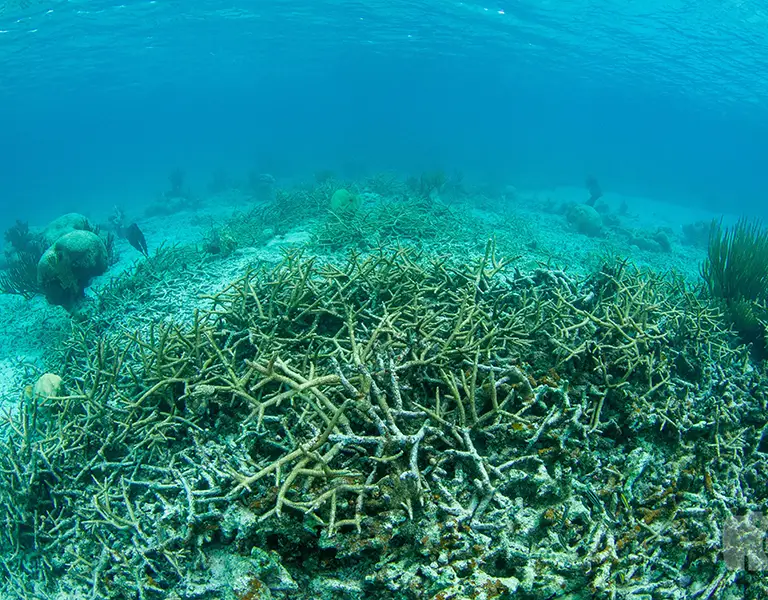
- More than 50% of the world’s coral reefs have died in the last 30 years, with current warming trends threatening 90% by 2050
- Individual actions like coral adoption directly fund restoration efforts that are rebuilding reef ecosystems at scale
- Land-based coral farming produces corals that grow up to 50 times faster than traditional methods and can survive warming oceans
- Every person can contribute to ocean conservation through conscious choices and direct support of restoration initiatives
The Silent Crisis Beneath the Waves
Coral reefs are often called the rainforests of the sea, and for good reason. These underwater cities provide habitat for over 4,000 species of fish and countless other marine organisms. They protect coastlines from storms and erosion, support fishing industries that feed hundreds of millions of people, and generate billions in tourism revenue annually.
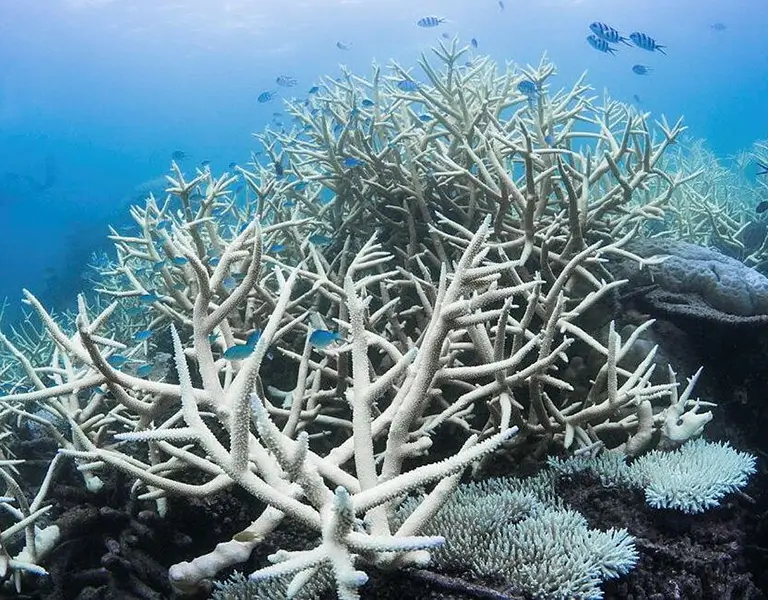
But the statistics paint a sobering picture. According to the National Oceanic and Atmospheric Administration (NOAA), ocean temperatures have increased by approximately 1.5°F since the early 20th century, triggering mass coral bleaching events that have become five times more frequent than they were in the 1980s. 1When water temperatures rise even slightly above normal levels, corals expel the symbiotic algae living in their tissues, turning ghostly white and often dying if conditions don’t improve.
The latest research published in Nature Communications reveals that coral cover across the Great Barrier Reef declined by more than 50% between 1985 and 2012, and similar patterns are emerging in reef systems worldwide.2The Intergovernmental Panel on Climate Change (IPCC) projects that coral reefs will decline by a further 70-90% at 1.5°C warming, with complete loss at 2°C warming.3
Understanding the Threats
The threats to coral reefs are numerous and interconnected, but understanding them helps clarify why restoration efforts matter and where individual actions can make the biggest difference.
Climate Change and Ocean Warming
Rising ocean temperatures represent the single greatest threat to coral reefs. The past decade has witnessed the longest and most widespread coral bleaching events ever recorded. The 2014-2017 global bleaching event affected reefs in every major ocean basin, killing corals from Hawaii to the Caribbean to the Great Barrier Reef.4 Understanding how to save the reefs requires addressing both the immediate crisis through restoration and the root causes through climate action.
Ocean Acidification
As our oceans absorb excess carbon dioxide from the atmosphere, they become more acidic. This process makes it harder for corals to build their calcium carbonate skeletons, essentially weakening the foundation of reef ecosystems. EPA research indicates that ocean acidity has increased by about 30% since the Industrial Revolution, and this trend continues to accelerate.5
Pollution and Coastal Development
Runoff from agriculture, sewage discharge, and plastic pollution degrade water quality around reef systems.6 Sediment from coastal development smothers corals, while excess nutrients fuel harmful algae blooms that compete with corals for space and resources.
Overfishing and Destructive Practices
Removing key species disrupts the delicate balance of reef ecosystems. Herbivorous fish that keep algae in check, predators that maintain population balances, and other important species all play critical roles in reef health. Destructive fishing practices like blast fishing and cyanide fishing directly destroy reef structures.
Solutions That Scale: From Individual Action to Global Impact
The magnitude of these challenges might feel overwhelming, but there’s genuine reason for hope. Scientists, communities, and conservation organizations around the world are developing and deploying solutions that work.
Support Coral Restoration Programs
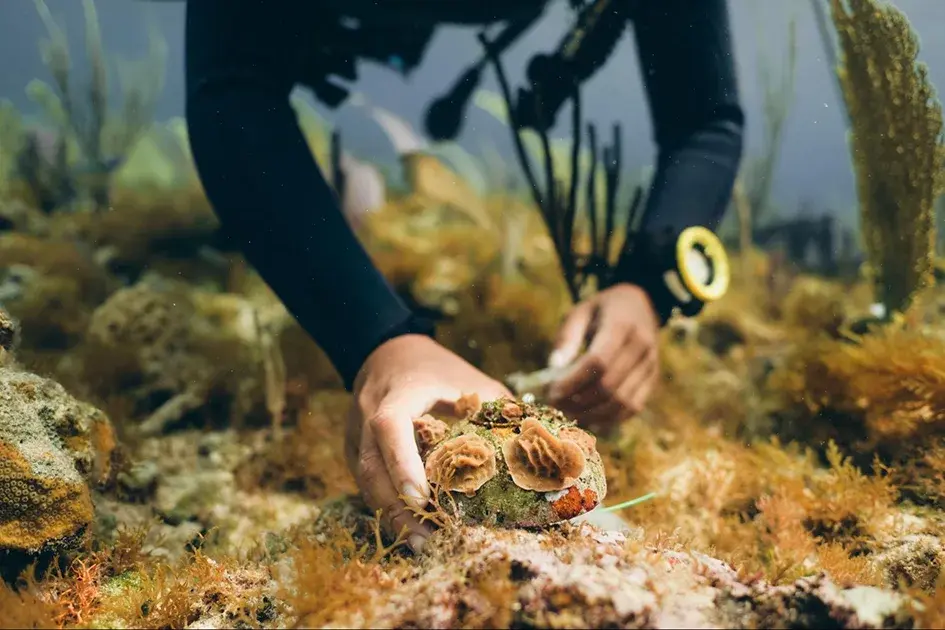
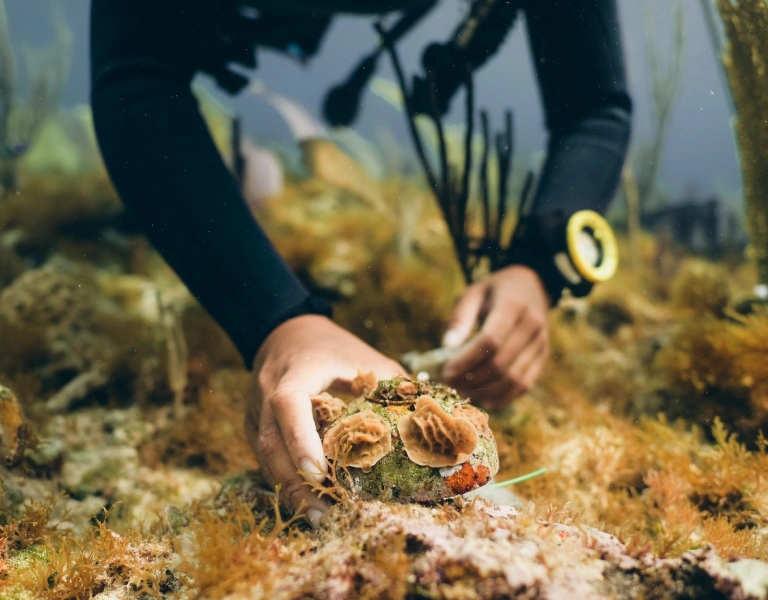
One of the most direct ways to help save coral reefs is through coral adoption programs. These initiatives fund land-based coral farms that use cutting-edge techniques to grow resilient corals faster than ever before possible.
Traditional coral restoration involved growing fragments in the ocean, a slow process vulnerable to the very threats that damaged reefs in the first place. Modern land-based coral farming changes this equation entirely. By creating controlled environments on land, scientists can produce corals that grow up to 50 times faster while exposing them to future ocean conditions, essentially training them to survive warmer, more acidic waters. Coral fragmentation techniques have revolutionized this process, allowing restoration practitioners to rapidly produce thousands of coral colonies.
Coral Vita’s Adopt a Coral program exemplifies this approach. Through coral adoption, individuals and organizations directly fund the cultivation and planting of corals bred for resilience. Each adopted coral contributes to rebuilding degraded reef ecosystems across The Bahamas, Saudi Arabia, and the UAE. The program has already cultivated over 100,000 corals across 52 species, creating a blueprint for restoration that can be replicated globally.
When you adopt a coral, you’re not just saving a single organism. You’re investing in an entire ecosystem. That coral will provide habitat for fish, protect coastlines from erosion, and contribute to the complex web of life that makes reefs so valuable. It’s a gift that keeps giving, growing larger each year and eventually spawning to create the next generation of climate-resilient corals.
Reduce Your Carbon Footprint

Since climate change drives the core threats facing coral reefs, reducing greenhouse gas emissions makes a meaningful difference. Choose renewable energy when possible, reduce air travel, opt for plant-based meals more often, and support policies that address climate change. Every fraction of a degree matters for coral survival.
Make Ocean-Friendly Choices
Your daily decisions ripple through the economy and influence industries that impact reefs:
- Choose sustainable seafood certified by organizations like the Marine Stewardship Council
- Reduce plastic use, particularly single-use items that often end up in the ocean
- Use reef-safe sunscreen without oxybenzone or octinoxate, chemicals proven to harm corals
- Properly dispose of chemicals and medications rather than flushing them
Practice Responsible Tourism
If you’re fortunate enough to visit coral reefs, treat them with care. Never touch or stand on corals, maintain a safe distance when snorkeling or diving, and choose tour operators committed to sustainable practices. Take only photos and memories, leaving these fragile ecosystems undisturbed for future generations.
Advocate for Coastal Protection
Support policies that protect coastal watersheds, reduce pollution, and establish marine protected areas. Contact your elected officials about ocean conservation issues. Vote for candidates who prioritize environmental protection. Join or donate to organizations working on marine conservation issues.
Educate and Inspire Others
Share what you learn about ocean conservation with friends, family, and your community. The more people understand the importance of coral reefs and the solutions available, the greater our collective impact becomes. Social media, conversations, and leading by example all contribute to cultural shifts that support ocean health.
The Science of Hope
What makes this moment different from past conservation challenges is that we now have proven solutions. Research published in peer-reviewed journals demonstrates that restoration techniques combining fast-growing corals with resilience training can rebuild reef ecosystems even as climate change continues.
Scientists have identified coral species and genotypes that naturally tolerate higher temperatures and acidity levels. By selectively breeding these hardy individuals and exposing them to projected future conditions, restoration programs create corals equipped for the oceans of tomorrow, not just yesterday. Coral gardening techniques enable these approaches at scale, combining scientific advances in coral propagation with sustainable farming methods.
This isn’t about returning reefs to some pristine past. It’s about actively adapting ecosystems to survive and thrive in a changing world. The corals being cultivated today in land-based farms represent evolution accelerated by human ingenuity, a partnership between nature and science focused on resilience.
Early results are promising. Planted corals from advanced restoration programs show higher survival rates than wild populations during bleaching events. They grow faster, reproduce successfully, and create the structural complexity that reef ecosystems need to function. With each passing year, these methods improve as scientists learn from both successes and setbacks.
Your Role in Ocean Conservation
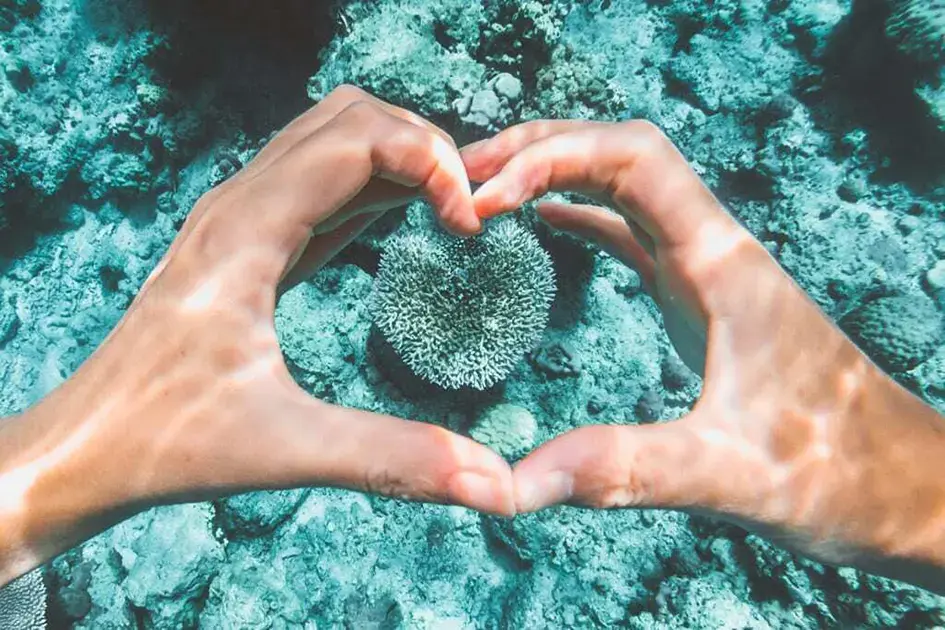
Every ocean conservation success story shares a common thread: people choosing to act. Whether you adopt a coral, reduce your carbon footprint, make ocean-friendly purchases, or advocate for protective policies, your choices matter.
The ocean doesn’t need perfection. It needs millions of people making better choices more often, supporting proven solutions, and refusing to accept that these vital ecosystems are doomed. Coral reefs have survived for hundreds of millions of years through ice ages, asteroid impacts, and dramatic shifts in ocean chemistry. With our help, they can survive this crisis too.
The corals growing in restoration facilities right now will form the foundation of tomorrow’s reef ecosystems. The fish that shelter among their branches, the communities that depend on reef protection and tourism, and the countless species we haven’t even discovered yet all depend on actions we take today.
Saving the ocean isn’t someone else’s responsibility. It’s ours. And it starts with understanding that individual actions, multiplied across millions of people, create the momentum for systemic change. The question isn’t whether one person can make a difference. It’s what difference you’ll choose to make.
About Coral Vita
Coral Vita is a mission-driven company dedicated to restoring our world’s dying and damaged reefs. Using innovative land-based farming techniques, Coral Vita grows diverse and resilient corals in months instead of the decades they take in nature. These corals are then transplanted into threatened reefs, helping to preserve ocean biodiversity while protecting coastal communities that depend on healthy reefs for protection, food, and income.
Founded by environmental entrepreneurs Sam Teicher and Gator Halpern, Coral Vita’s high-tech coral farms incorporate breakthrough methods to restore reefs in the most effective way possible. In 2021, the company was recognized as the inaugural winner of Prince’s William’s Revive Our Oceans Earthshot Prize Winner for their pioneering work in coral restoration.
To learn more about Coral Vita’s work or to get involved in coral reef conservation efforts, visit their website at www.coralvita.co or contact them directly through their Contact Us page.
Frequently Asked Questions
How much of the ocean’s coral reefs have we lost?
More than 50% of the world’s coral reefs have died in the last 30 years, according to NOAA 7and peer-reviewed research. Current trends suggest that 90% of reefs could be at risk by 2050 without significant intervention. However, restoration programs and climate action can change this trajectory.
What is coral adoption and how does it help?
Coral adoption programs allow individuals to directly fund the cultivation and planting of corals through advanced restoration initiatives. Unlike traditional methods, modern coral farming can grow corals up to 50 times faster while breeding them for climate resilience. Each adoption supports the long-term restoration of reef ecosystems, providing habitat for marine life and protecting coastal communities.
Can coral reefs really recover from climate change?
Yes, but it requires both climate action to slow warming and active restoration to help reefs adapt. Scientists have proven that selectively bred, climate-resilient corals can survive and thrive even as temperatures rise. Land-based coral farming allows restoration programs to scale their efforts and produce thousands of corals trained to tolerate future ocean conditions.
What makes land-based coral farming more effective than ocean-based restoration?
Land-based facilities provide controlled environments where corals grow much faster without exposure to storms, predators, or the degraded conditions affecting wild reefs. Scientists can carefully manage water chemistry, temperature, and light while selectively breeding for resilience traits. This approach produces stronger corals in less time, making restoration economically viable at the scale needed to rebuild entire reef systems.
How do I know my coral adoption actually makes a difference?
Reputable restoration programs provide updates on your coral’s progress, including photos and information about where it’s planted. Organizations like Coral Vita maintain transparent operations with scientific partnerships and have verifiable track records of success. Look for programs that publish their results, work with research institutions, and have won recognition from credible environmental organizations.
What can I do if I don’t live near the ocean?
Ocean health affects everyone regardless of location. The oxygen you breathe, climate patterns, food security, and even the weather where you live all connect to ocean health. You can adopt corals, reduce your carbon footprint, make sustainable purchasing choices, and support ocean-friendly policies. The ocean needs advocates everywhere, not just on coastlines.
Are there other ways to support ocean conservation besides coral adoption?
Absolutely. Reduce plastic use, choose sustainable seafood, support marine protected areas, use reef-safe sunscreen, properly dispose of chemicals, reduce your carbon emissions, educate others about ocean issues, and donate to or volunteer with ocean conservation organizations. Every action contributes to the larger goal of protecting marine ecosystems.
How long does it take for adopted corals to grow into full reef structures?
Corals grown through advanced land-based techniques can reach planting size in 6-12 months, much faster than traditional methods. Once planted, they continue growing and can reach reproductive maturity in 3-5 years depending on species. Over time, these corals form the structural foundation for entire reef communities, with benefits compounding over decades as they spawn and expand.
References
- National Oceanic and Atmospheric Administration (NOAA). “Coral Reef Conservation Program.”
https://coralreef.noaa.gov/ ↩︎ - Hughes, T.P., et al. “Global warming transforms coral reef assemblages.” Nature Communications 556 (2018): 492-496.
https://www.nature.com/articles/s41586-018-0041-2 ↩︎ - Intergovernmental Panel on Climate Change (IPCC). “Special Report on Global Warming of 1.5°C.”
https://www.ipcc.ch/sr15/ ↩︎ - Environmental Protection Agency (EPA). “Ocean Acidification”.
https://www.epa.gov/ocean-acidification ↩︎ - National Oceanic and Atmospheric Administration (NOAA). “2014-2017 Global Coral Bleaching Event.”
https://coralreef.noaa.gov/aboutcrcp/news/featuredstories/oct16/global-bleaching-event.html ↩︎ - De’ath, G., et al. “The 27-year decline of coral cover on the Great Barrier Reef and its causes.” Proceedings of the National Academy of Sciences 109.44 (2012): 17995-17999.
https://www.pnas.org/content/109/44/17995 ↩︎ - National Oceanic and Atmospheric Administration (NOAA). “Ocean Temperature.”
https://www.climate.gov/news-features/understanding-climate/climate-change-ocean-heat-content ↩︎