Coral reefs cover less than 1% of the ocean floor yet support roughly a quarter of all marine species. Overfishing now threatens that balance across more than half the world’s reefs. Here’s what’s happening and what we can do about it.
Key Takeaways
- Unsustainable fishing affects 55% of the world’s coral reefs.1
- Removing herbivores like parrotfish allows algae to smother corals, pushing reefs toward permanent phase shifts.
- Blast fishing can destroy 64 square feet of reef in a single event.2
- Marine protected areas and catch limits are proven recovery tools.
- Consumer seafood choices have a direct line to reef health.
Overfishing: A Threat Hidden in Plain Sight
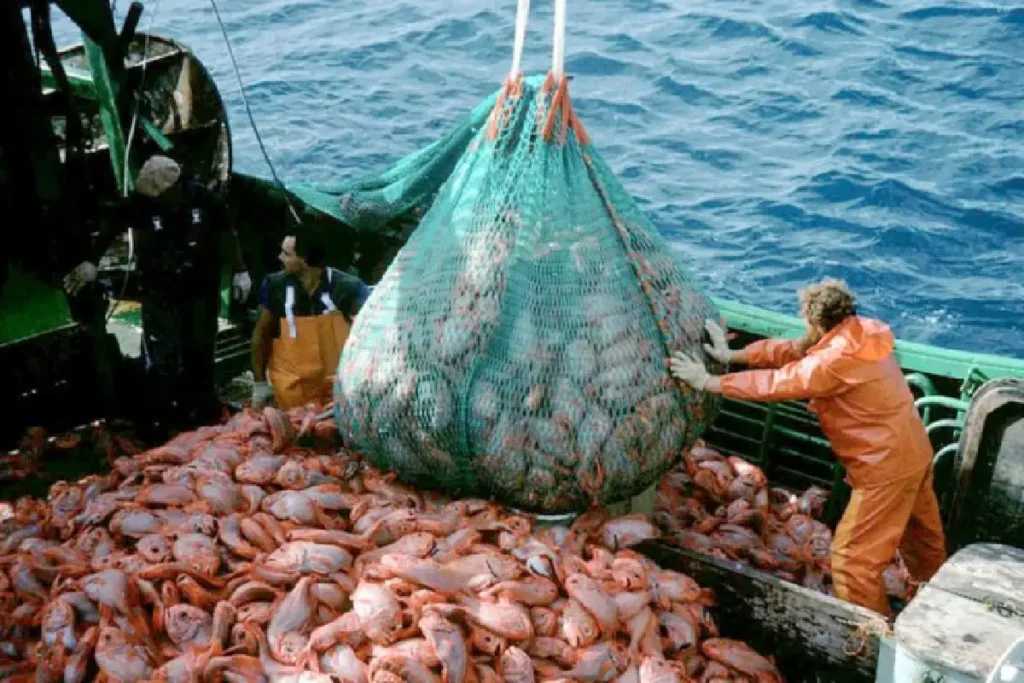
Overfishing is one of the top threats to coral reefs worldwide, yet it gets far less attention than bleaching or climate change. The damage is invisible from the surface. Over a billion people rely on coral reefs for food and income,3 and coral reef fisheries4 feed coastal communities across the Caribbean, Indo-Pacific, and tropics. When those fisheries collapse, the ripple effect moves far beyond the water.
The Coral Reefs at the Center of It All
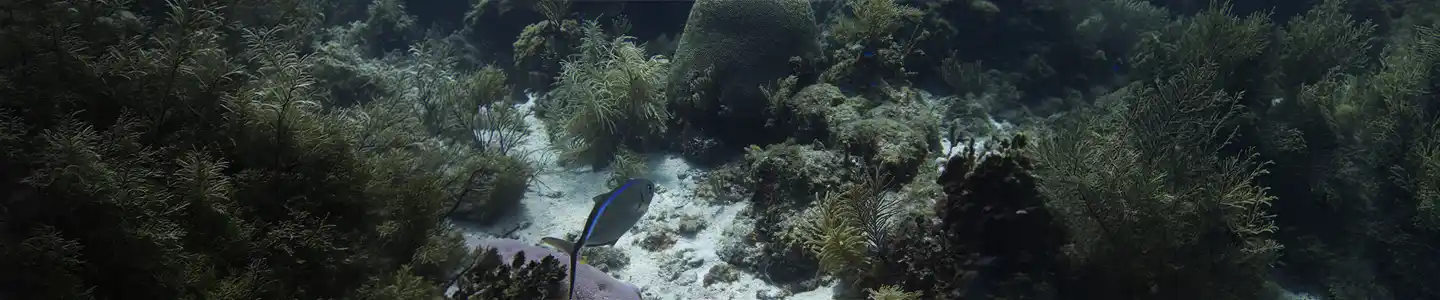
Coral reefs are living structures built by polyps that secrete calcium carbonate skeletons over centuries. These coral reef ecosystems run on balance: predators keep prey in check, herbivorous fishes graze algae, and coral growth continues because the reef stays clean enough for sunlight. Pull one species out, and others shift.
Threats to Coral Reefs: What Overfishing Actually Does
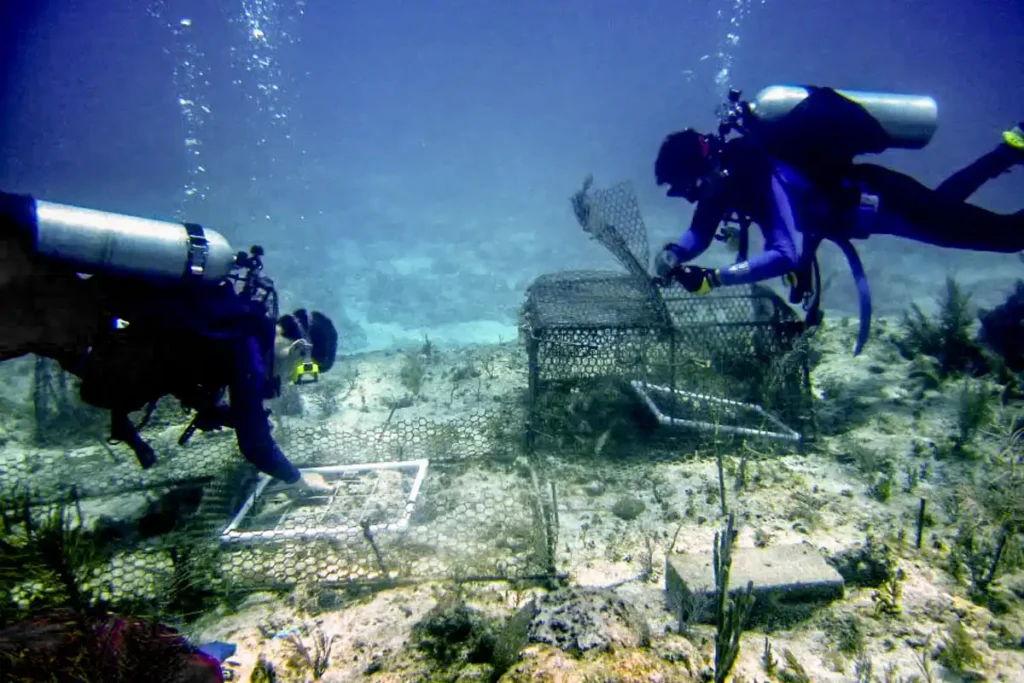
The threats to coral reefs from overfishing are layered. Removing apex predators causes mid-level predators to boom, consuming smaller fish in large numbers. Herbivores like parrotfish are especially critical: they control algal growth on coral reefs, and when their populations fall, reefs shift to algae-dominated environments.5 Bans on herbivore fishing help maintain their populations and preserve coral reef resilience. Dead coral skeletons are then quickly eroded by waves, eliminating the shelter marine life depends on.6
Unsustainable Fishing: The Methods Doing the Most Damage
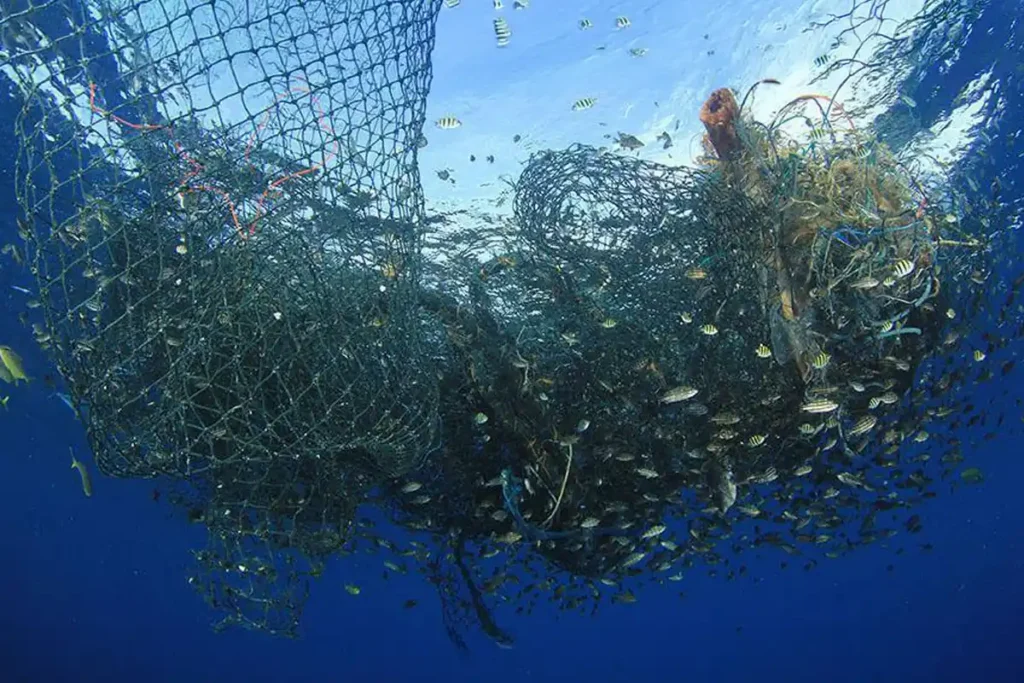
Unsustainable fishing methods cause harm far beyond the immediate catch. Blast fishing uses explosives that destroy 64 square feet of reef per event, collapsing calcium carbonate structure built over decades. Lost fishing gear contributes to marine debris that smothers coral and blocks sunlight. These destructive fishing practices eliminate large sections of coral reef habitat when reefs have no margin for extra stress.7
Marine Life That Disappears When We Overfish
Removing key species triggers a chain reaction through marine ecosystems. Fish populations decline affects more than the species caught: predators go hungry, invertebrates proliferate, algae overruns corals. Local threats like coastal development and agricultural runoff add sediment that compounds damage on reefs already weakened by overfishing.
Local Threats on the Ground: Communities and Coral
In the Caribbean, Indo-Pacific, and tropics, fishing is how families eat and economies function. Overfishing destroys vital protein sources for millions of coastal residents.8 Coral Vita’s approach to coral reef restoration puts communities at the center of this work, because reefs survive only when the people who depend on them become their stewards.
Protected Areas and the Path Back
Marine protected areas (MPAs) are among the most effective reef recovery tools. Marine protected areas9 help restore fish populations by reducing extraction pressure. Currently 27% of coral reefs sit within protected areas, but only 6% are well managed.10 No-take zones show the strongest results. Locally managed marine areas enhance compliance with fishing regulations,11 and establishing seasonal closures allows for natural replenishment where full prohibition isn’t feasible.
What Consumers Can Do to Protect Coral Reefs
Consumer choices connect directly to reef health. Tools like NOAA FishWatch help consumers identify sustainably caught seafood.12 Encouraging sustainable eco-tourism reduces reliance on wild reef fish.13 Implementing maximum catch limits protects fish stocks,14 and education programs raise awareness about coral reef protection within local communities.15
What Coral Vita Is Doing About It
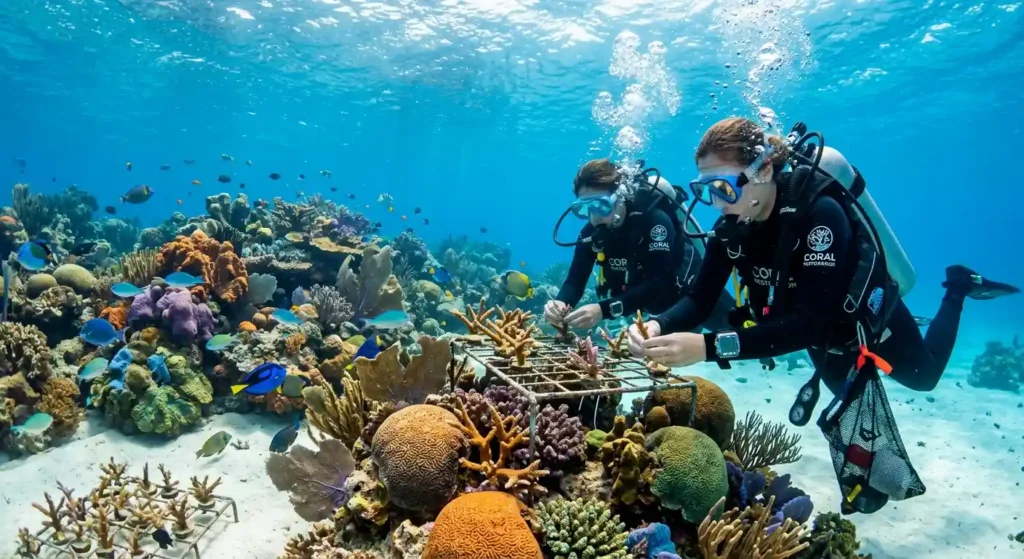
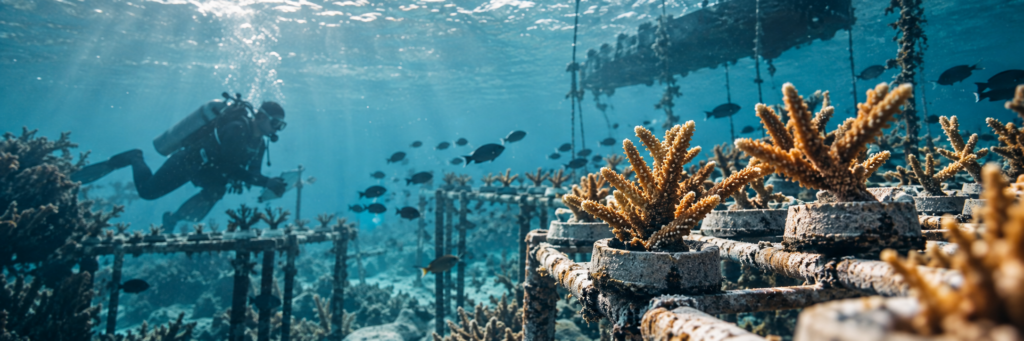
As a coral restoration company, Coral Vita grows corals in months instead of decades and transplants them into threatened reefs. Restoration alone won’t solve overfishing, but reef restoration and fishing reform work together, and Coral Vita’s community-rooted model reflects that reality.
Conclusion
Coral reefs are resilient but not infinitely so. Overfishing removes the ecological balance that lets reefs absorb other shocks. Protected areas recover. Reef populations rebound. Restoration paired with reduced fishing pressure can tip damaged coral reefs back toward life.
About Coral Vita
Coral Vita is a mission-driven company dedicated to restoring our world’s dying and damaged reefs. Using innovative land-based farming techniques, Coral Vita grows diverse and resilient corals in months instead of the decades they take in nature. These corals are then transplanted into threatened reefs, helping to preserve ocean biodiversity while protecting coastal communities that depend on healthy reefs for protection, food, and income.
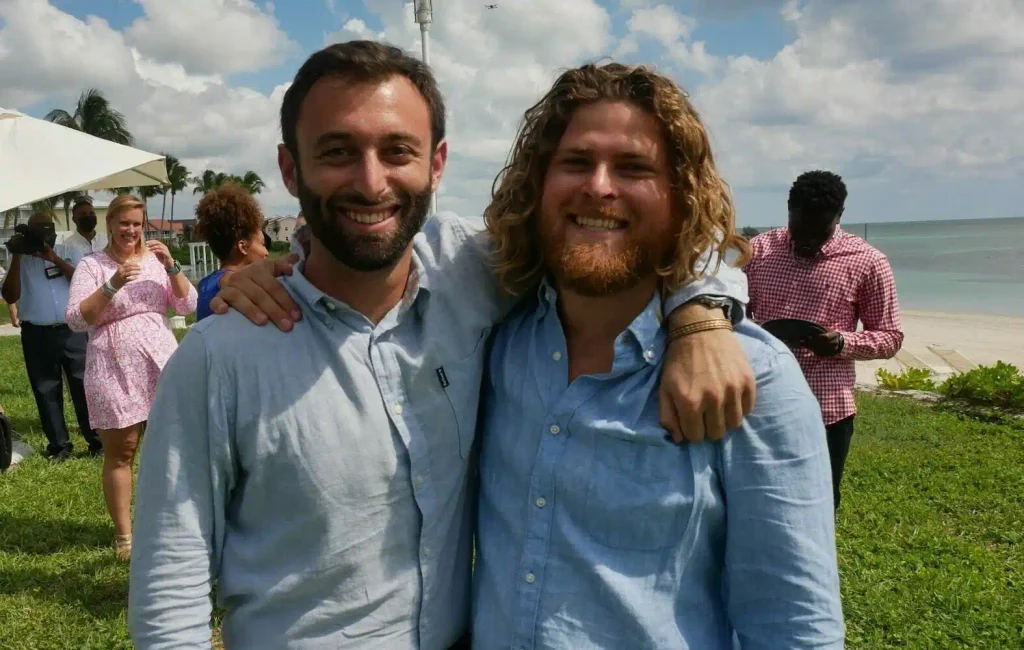
Founded by environmental entrepreneurs Sam Teicher and Gator Halpern, Coral Vita’s high-tech coral farms incorporate breakthrough methods to restore reefs in the most effective way possible. In 2021, the company was recognized as the inaugural winner of Prince’s William’s Revive Our Oceans Earthshot Prize Winner for their pioneering work in coral restoration.
To learn more about Coral Vita’s work or to get involved in coral reef conservation efforts, visit their website at www.coralvita.co or contact them directly through their Contact Us page.
Frequently Asked Questions
How does overfishing harm coral reefs?
Overfishing removes fish that keep coral reef ecosystems balanced. Without herbivores grazing algae and predators controlling smaller fish, coral reefs shift to algae-dominated states and become far harder to restore.
How does blast fishing affect coral reefs?
Blast fishing instantly destroys coral reef structure. A single blast eliminates 64 square feet of reef, collapsing calcium carbonate frameworks and removing shelter for hundreds of marine life species.
Can marine protected areas help coral reefs recover?
Yes. Marine protected areas, particularly no-take zones, allow fish populations to rebound and reef structure to recover. Only 6% of protected coral reefs are currently well managed.
What can individuals do to protect coral reefs?
Choose sustainably sourced seafood using tools like NOAA FishWatch. Supporting sustainable eco-tourism and advocating for fishing quotas also help protect coral reefs at scale.
References
- https://www.noaa.gov/education/resource-collections/ocean-coasts/coral-reef-ecosystems ↩︎
- https://www.coris.noaa.gov/activities/projects/coral_reefs/coral_reefs.html ↩︎
- https://www.worldwildlife.org/habitats/coral-reefs ↩︎
- https://oceanservice.noaa.gov/facts/coral_overfishing.html ↩︎
- https://www.nature.com/articles/s41467-018-07005-x ↩︎
- https://www.science.org/doi/10.1126/science.1124955 ↩︎
- https://www.iucn.org/resources/issues-brief/coral-reefs-and-climate-change ↩︎
- https://www.worldbank.org/en/topic/environment/brief/coral-reef-conservation ↩︎
- https://www.marine-conservation.org/what-we-do/program-areas/mpas/ ↩︎
- https://www.protectedplanet.net/en/thematic-areas/marine-protected-areas ↩︎
- https://www.lmmanetwork.org/ ↩︎
- https://www.fishwatch.gov/ ↩︎
- https://www.unep.org/resources/report/sustainable-tourism-ocean-contexts ↩︎
- https://www.fao.org/fishery/en/topic/3622 ↩︎
- https://coral.org/en/blog/education-and-coral-reef-conservation/ ↩︎