Key Takeaways
- Coral reefs contribute approximately US$36 billion annually to economies, yet 75% of the world’s reefs are currently threatened by human activities and climate change.
- Sustainable tourism practices protect coral reefs by minimizing damage and pollution while still supporting coastal communities that depend on visitors for income.
- Over 600 marine tourism businesses have committed to sustainable practices through programs like the green fins initiative, proving that the tourism industry can lead on conservation.
- Tourists can make a measurable difference by choosing eco-certified operators, wearing reef-safe sunscreen, and never touching corals.
- Destination managers must enforce carrying capacities and invest tourism revenue into marine protected areas and reef restoration projects.
Introduction: Why Coral Reefs and Tourism Are Inseparable
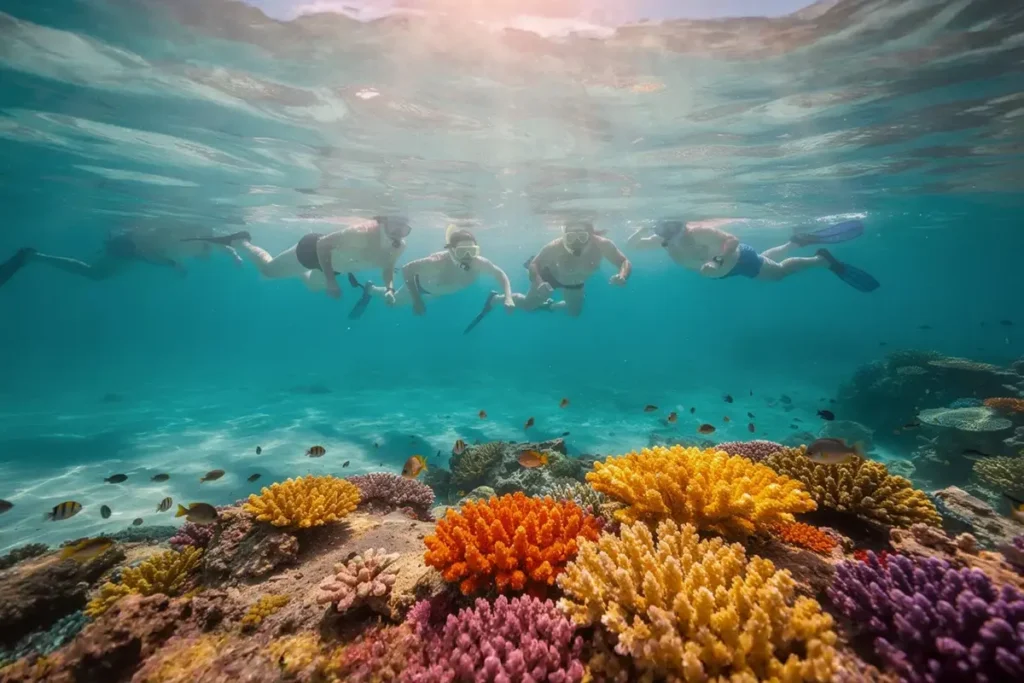
Picture a Caribbean reef at peak season: dozens of boats anchored over a single site, hundreds of snorkelers kicking above staghorn corals. Over 70 million people visit coral reefs each year, increasing pressure on marine ecosystems that already face existential threats. Coastal tourism accounts for 85% of global tourism revenue, and global coral reef tourism alone is valued at roughly US$36 billion per year, with tourism generating about $19 billion annually from on reef activities. These reef ecosystems support fisheries, shoreline protection, and jobs across coastal areas worldwide. Yet negligent tourism practices can severely damage and threaten coral reef ecosystems. The delicate balance between economic growth and ecological survival is the central challenge. This article examines how sustainable tourism can safeguard coral reef health while sustaining local economies-and what visitors, businesses, and reef managers can do right now.
How Tourism Threatens Coral Reefs Today
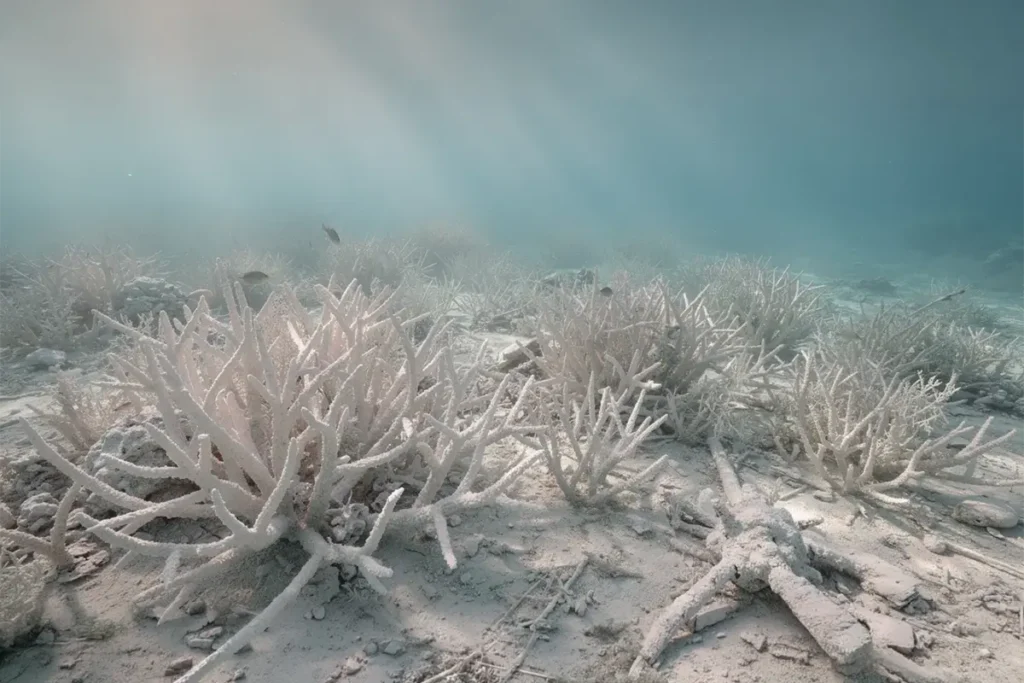
Rapid expansion of marine tourism and coastal development since the 1990s has placed reef ecosystems under compounding stress. Tourism can cause ecological damage to corals and coastal vegetation through direct physical damage-snorkelers standing on corals, inexperienced divers breaking reef structures with fin kicks, and anchors smashing fragile formations. Chemical runoff from coastal resorts can harm coral reefs, while untreated sewage fuels algal blooms that smother corals. Chemical pollutants in sunscreens contribute to coral bleaching, adding yet another layer of environmental degradation.
The Great Barrier Reef has experienced five mass bleaching events since 2016, with the 2024 event covering the largest spatial footprint ever recorded. Overharvesting of reef fish and marine resources for tourist restaurants and souvenir markets-including recreational fishing pressure, shells, and dried coral-destabilizes food webs and reduces recovery capacity. While climate change and destructive fishing are major drivers, tourism is one of the most rapidly growing local threats that can be managed directly at reef sites.
Over-Tourism, Climate Change, and Reef Resilience
Coral reefs face increased vulnerability due to over-tourism. Thailand’s Maya Bay, closed in 2018 after decades of uncontrolled visitor traffic, is the most visible example. Currently, 75% of the world’s reefs are currently threatened by human activities, and projections suggest 90% of the world’s reefs will be threatened by the 2030s. Without limiting global warming to 1.5°C, 70–90% of reefs could vanish by 2050. Limiting visitor numbers at sensitive reef sites helps reduce ecological pressure, yet carrying capacities are rarely defined by local partners, leaving many tourist destinations without meaningful thresholds.
When climate stress reduces coral calcification and increases bleaching risk, reefs battered by heavy tourism recover more slowly-or not at all. Coral reef resilience depends on reducing these local pressures. The covid 19 pandemic offered an unplanned experiment: some sites saw temporary ecological recovery while coastal communities lost income, underscoring that sustainability-not shutdown-is the answer.
The Tourism Industry’s Role in Protecting Reefs
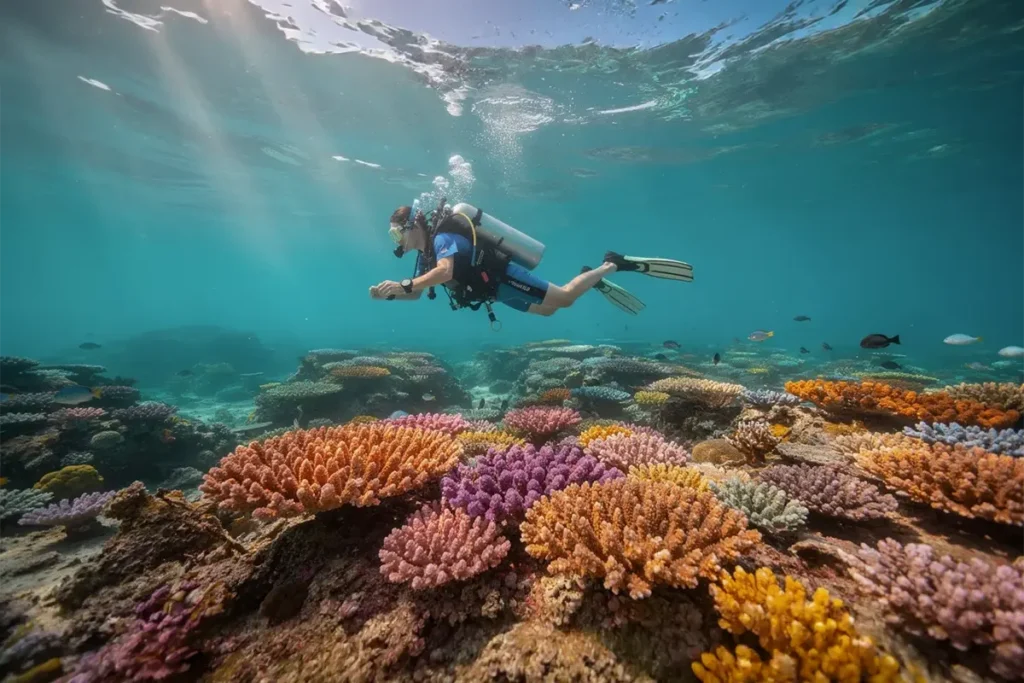
Around one million new divers are certified each year globally, and millions more snorkel on reefs, giving tourism businesses immense influence over reef conservation efforts. Implementing conservation measures can mitigate negative tourism impacts on reefs. Operators using mooring buoys prevents physical damage to coral reefs by avoiding anchor use. Responsible snorkeling and diving practices prevent damage to coral reefs when operators enforce proper buoyancy, limit group sizes, and brief divers before every dive.
The green fins initiative, coordinated by reef world, provides a 15-point code of conduct covering key impact areas. Over 600 marine tourism businesses improved sustainability through Green Fins, demonstrating that the tourism sector can shift norms at scale. Operators must educate tourists about reef ecosystems and individual impacts-a step that research shows measurably improves visitor behavior.
Destination-level management matters equally. Australia’s Ningaloo Coast caps overnight visitor numbers and zones marine protected areas, while Palau’s Rock Islands Southern Lagoon uses timed entries. These approaches show that protecting coral reefs and welcoming visitors are not mutually exclusive when key stakeholders collaborate.
Practical Guidelines for Sustainable Marine Tourism
Sustainable tourism reduces physical damage by using eco-friendly practices. Here are actionable steps by stakeholder:
For dive and snorkel operators:
- Conduct mandatory environmental briefings before every trip
- Enforce strict “no touching, no taking” rules
- Install fixed moorings at all reef sites
- Refuse to feed fish or chase wildlife
For resorts and developers:
- Maintain vegetated buffer zones including mangroves
- Treat sewage before discharge to prevent nutrient pollution
- Minimize coastal development footprint on sensitive zones
For individual tourists:
- Choose Green Fins or eco-certified operators
- Sustainable tourism promotes the use of reef-safe sunscreen to protect corals-avoid oxybenzone products
- Never stand on coral or buy coral and shell souvenirs
- Support supporting businesses that invest in conservation
Education and awareness about proper marine behavior is essential for reef protection. Destination managers can communicate guidelines through airport briefings, harbor signage, and hotel information packs. Sustainable tourism practices can reduce negative impacts on coral reefs when these messages reach visitors before they enter the water.
Benefits of Sustainable Tourism for Coastal Communities
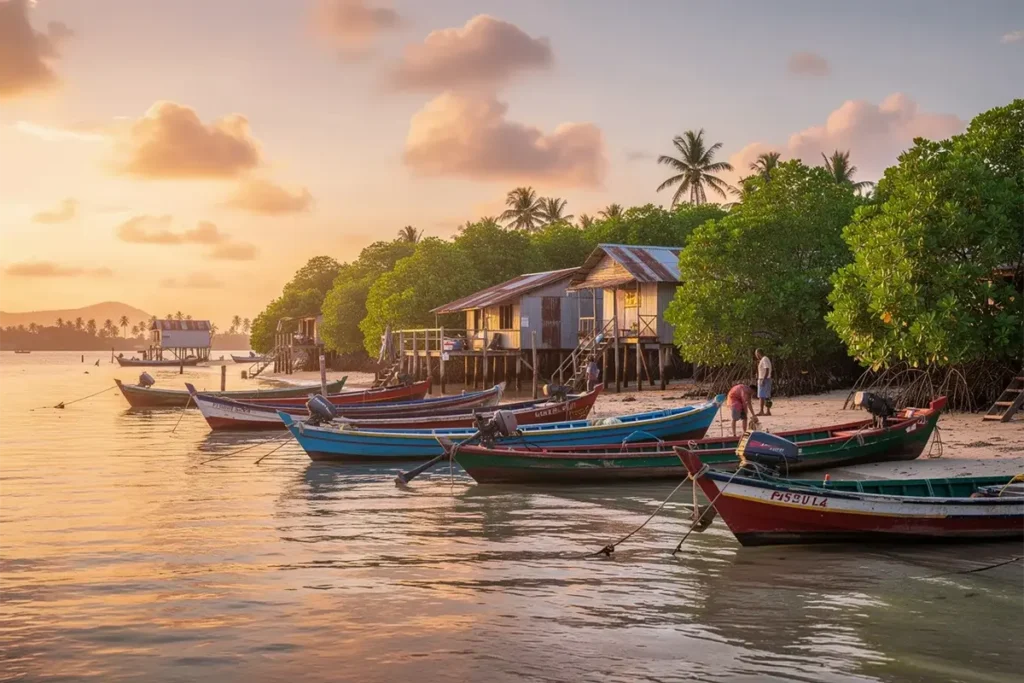
Many communities-from Belize to new caledonia-depend heavily on tourism revenue, making them vulnerable to both reef degradation and global shocks. Sustainable tourism can provide significant economic benefits while protecting coral reefs when it focuses on conservation and community empowerment. Tourists contribute to local economies through reef-related activities, and tourism revenue can fund marine protected areas and conservation science.
COVID-19 sparked local entrepreneurship in Belize, where local women in Belize sell products online post-COVID-19, creating digital microbusinesses that reduce dependence on a single tourism season. Diversifying livelihoods reduces pressure on reef ecosystems by offering alternatives to reef fisheries. Community-led eco-tourism in Belize and the Caribbean channels conservation fees into local schools, reef patrols, and infrastructure. Organizations like the nature conservancy and the great barrier reef foundation work with local partners to ensure that development benefits communities directly. Sustainable tourism is most effective when it simultaneously strengthens coral reef ecosystems and improves long-term wellbeing for coastal communities.
Innovative Tools and Initiatives Driving Coral Reef Conservation
The last decade has produced practical tools that align the tourism industry with coral reef conservation goals. Green Fins operates through voluntary membership, environmental scorecards, staff training, and annual assessments. The Resilient Reefs Initiative supports UNESCO-listed sites including Ningaloo Coast, the Lagoons of New Caledonia, the Belize Barrier Reef, and Palau, integrating tourism planning with climate adaptation. Tourism dependence varies dramatically across Resilient Reefs Initiative sites, requiring tailored approaches that address local resilience goals through solution exchange among global experts and other sectors.
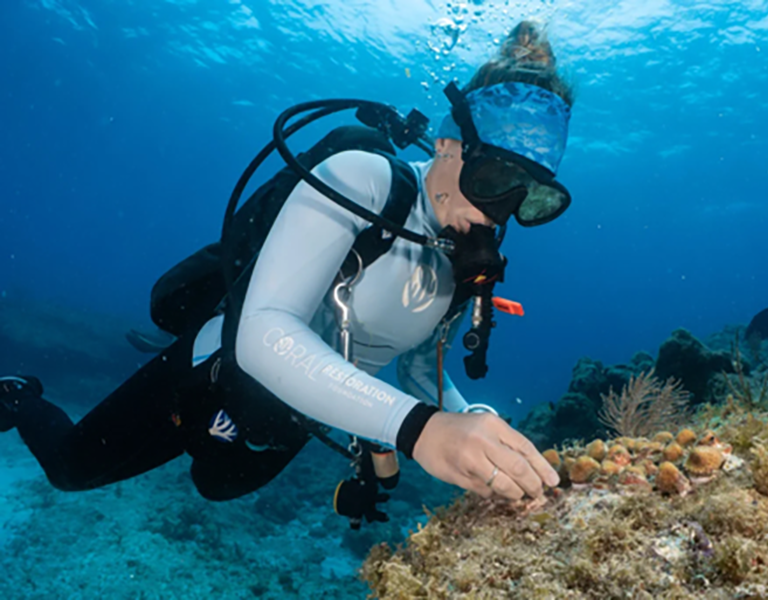
Technology-driven solutions include visitor quota systems managed through online booking, mobile apps delivering reef etiquette tips, and satellite-based monitoring of sediment plumes from coastal development. Voluntourism allows tourists to actively participate in coral restoration and monitoring through carefully designed programs. Enforcing carrying capacities prevents overcrowding and aids reef recovery, while marine protected areas require enforcement to safeguard marine habitats. Traveler demand is a powerful driver-look for operators and tourist destinations participating in these initiatives.
Future Pathways: Building Reef-Safe Tourism in a Warming World
Climate change will continue to warm and acidify oceans through the 2030s, making proactive management of tourism impacts even more critical. Governments should adopt environmental impact assessments for new resorts, reef protection regulations for boat operators, and tourism levies that channel funds directly into coral reef conservation. Sustainable tourism generates funds for coral reef conservation and raises environmental awareness simultaneously. Embedding reef ecology into dive certification courses, local school curricula, and guide training creates a unique opportunity to make protecting reefs standard practice across generations. Natural resources like coral reefs are irreplaceable-responsible choices by visitors, businesses, and policymakers today determine whether reefs remain vibrant ecosystems or fade into memory by mid-century.
About Coral Vita
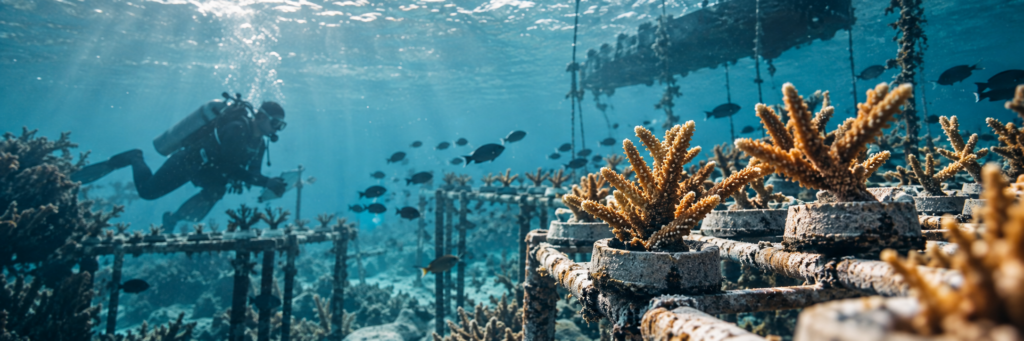
Coral Vita is a mission-driven company dedicated to restoring our world’s dying and damaged reefs. Using innovative land-based farming techniques, Coral Vita grows diverse and resilient corals in months instead of the decades they take in nature. These corals are then transplanted into threatened reefs, helping to preserve ocean biodiversity while protecting coastal communities that depend on healthy reefs for protection, food, and income.
Founded by environmental entrepreneurs Sam Teicher and Gator Halpern, Coral Vita’s high-tech coral farms incorporate breakthrough methods to restore reefs in the most effective way possible. In 2021, the company was recognized as the inaugural winner of Prince’s William’s Revive Our Oceans Earthshot Prize Winner for their pioneering work in coral restoration.
To learn more about Coral Vita’s work or to get involved in coral reef conservation efforts, visit their website at www.coralvita.co or contact them directly through their Contact Us page.
Frequently Asked Questions
How can an individual tourist have the biggest positive impact on coral reefs?
Book with eco-certified or Green Fins–aligned operators, wear reef-safe sunscreen, never touch or stand on coral, reduce plastic use, and support local businesses following sustainable practices. Even small behavioral changes-proper fin technique, staying off the reef flat-compound across the 70 million people who visit coral reefs each year.
Is it better to avoid visiting coral reefs altogether to protect them?
No. Avoiding reefs entirely can hurt coastal communities that depend on tourism and reduce funding for conservation. The key is visiting responsibly, choosing well-managed destinations, and supporting operations that actively invest in protecting reefs. Well-managed marine tourism creates economic incentives for conservation that benefit both communities and ecosystems.
How do I know if a dive center is truly eco-friendly and not greenwashing?
Check for credible certifications like Green Fins membership. Ask about environmental policies-waste management, mooring use, group sizes. Observe whether staff provide clear reef-protection briefings before entering the water. Operators with genuine commitments welcome these questions rather than deflecting them.
Can coral reefs actually recover from tourism damage and bleaching events?
Recovery is possible on decadal timescales when stress is reduced. Reefs with healthy fish populations, low pollution, and controlled tourist numbers can regrow after bleaching, as partial recovery at Thailand’s Maya Bay demonstrated. However, heavily impacted reefs may shift to algae-dominated states that are difficult to reverse, making prevention far more effective than restoration alone.
What low-cost steps can small hotels near reefs take immediately?
Reduce single-use plastics, install basic wastewater filters, provide educational materials on reef protection, partner with local NGOs for beach cleanups, and encourage guests to use refillable bottles and reef-safe products. These steps require minimal investment but meaningfully reduce the property’s environmental footprint on nearby reef ecosystems.