Coral reefs cover less than 1% of the ocean floor yet support the food, safety, and economies of hundreds of millions of people. Understanding why are coral reefs so important means looking at everything they protect.
Key Takeaways
- Coral reefs support roughly 25% of all marine species while covering less than 1% of the ocean floor.1
- Healthy coral reefs absorb up to 97% of wave energy, reducing coastal flooding and erosion.2.
- Reef tourism and recreation generate an estimated $36 billion globally each year.3
- Over 83% of reef areas experienced bleaching-level heat stress between 2023 and 2025.4
- Coral Vita’s land-based restoration model is a scalable path to reef recovery.
Coral Reefs: The Rainforests of the Sea
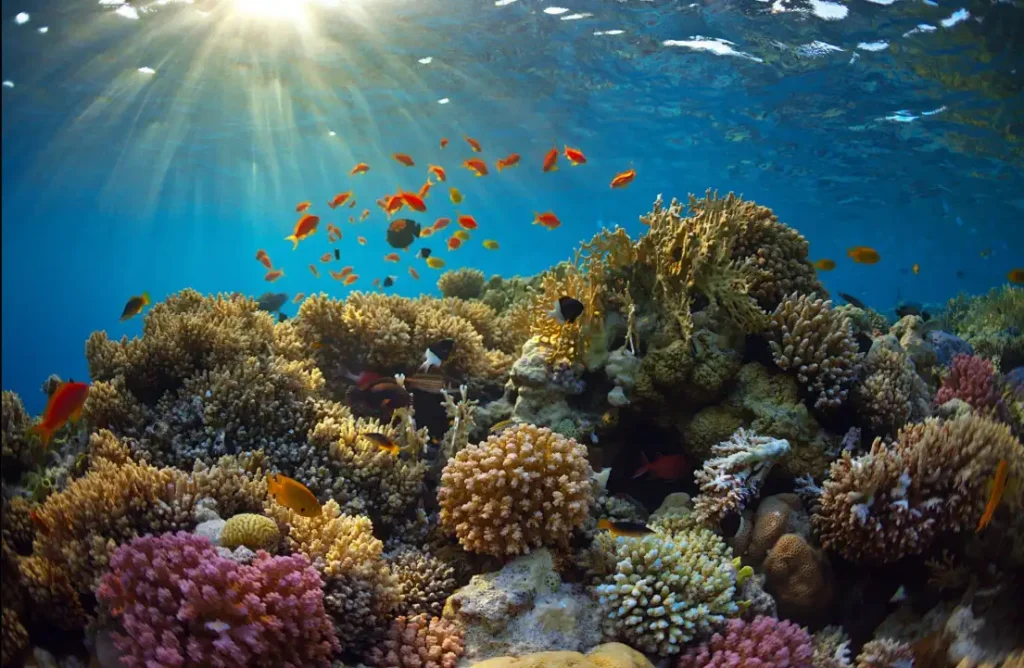
Reef-building corals build calcium carbonate skeletons over centuries, creating habitat for fish, turtles, sponges, parrotfish, and invertebrates. Tropical coral reef ecosystems hold more biodiversity per square meter than almost any other habitat on Earth. That density is exactly why coral reefs matter.
Why Are Coral Reefs Important to Marine Life
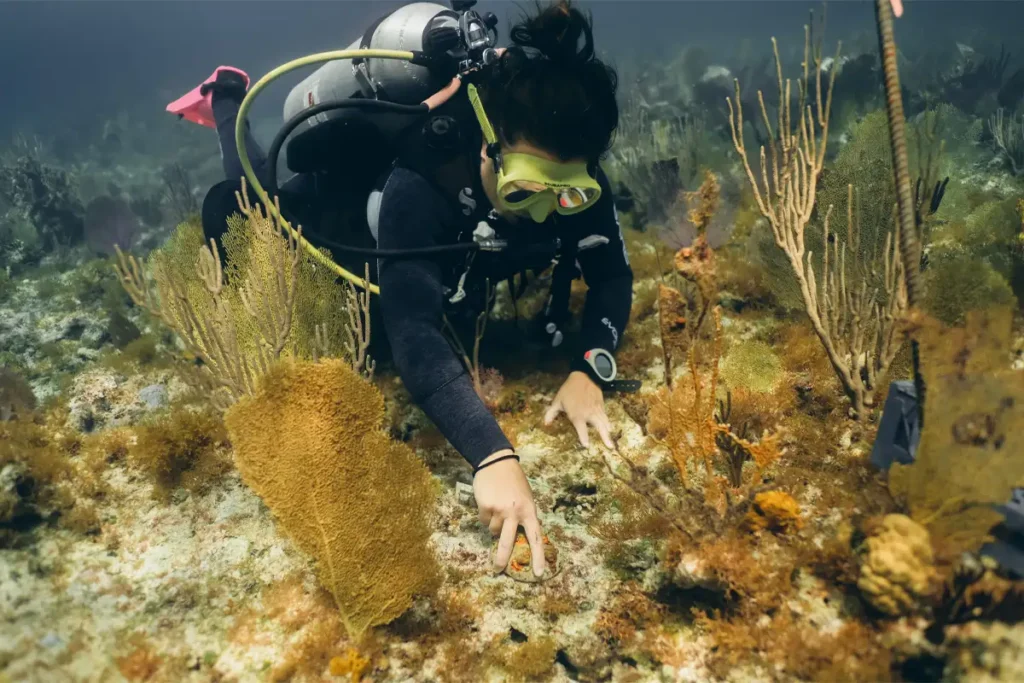
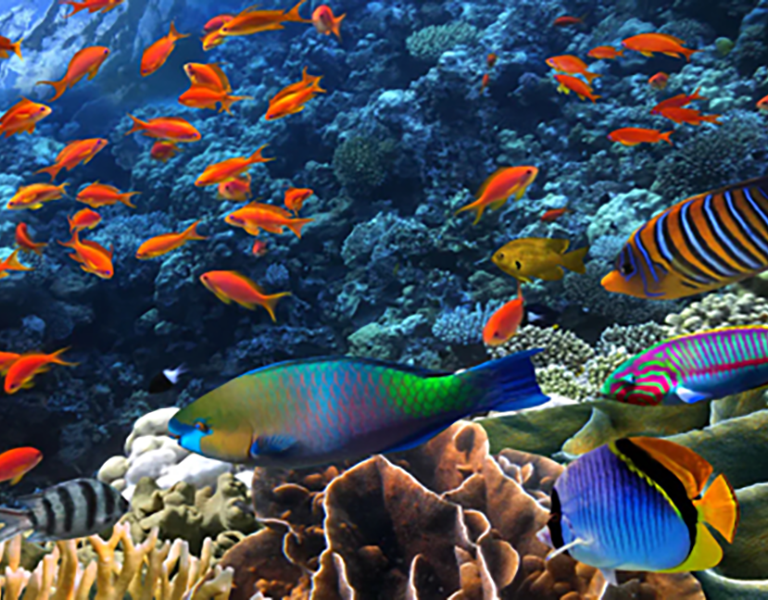
Coral reef ecosystems are nurseries for fish that later populate open water. More than half of all U.S. federally managed fisheries species depend on coral reefs at some stage.5 Parrotfish grind dead coral into beach sand. Sponges filter ocean toxins. Turtles, rays, and hundreds of coral reef animals depend on reef structure to survive.
Coastal Protection That Coral Reefs Provide
Healthy coral reefs absorb up to 97% of wave energy before it reaches shore. U.S. coral reefs alone provide an estimated $1.8 billion in annual flood protection. When climate change degrades reefs, coastal communities lose that buffer. Mangroves and coral reefs together form a coastal defense that no engineered solution can match at scale.
The Great Barrier Reef: A Gauge for World’s Coral Reefs
Australia’s Great Barrier Reef spans 2,300 kilometers, supports 64,000 jobs, and generates an estimated $6.4 billion annually. It has also suffered mass bleaching that killed significant portions of shallow coral. It shows in real time what rising temperatures cost.
Coral Reefs Important to Economies and New Medicines

Global reef tourism generates roughly $36 billion per year. Reef fisheries contribute $6.8 billion annually and are a critical protein source for hundreds of millions of coastal people.6 Communities from the Caribbean to Southeast Asia rely on eco-tourism tied to reef health. Tropical coral reef ecosystems also hold untapped pharmaceutical value; scientists are studying reef-derived compounds as potential treatments for cancer, bacterial infections, and inflammatory diseases.
Climate Change and What Must Change
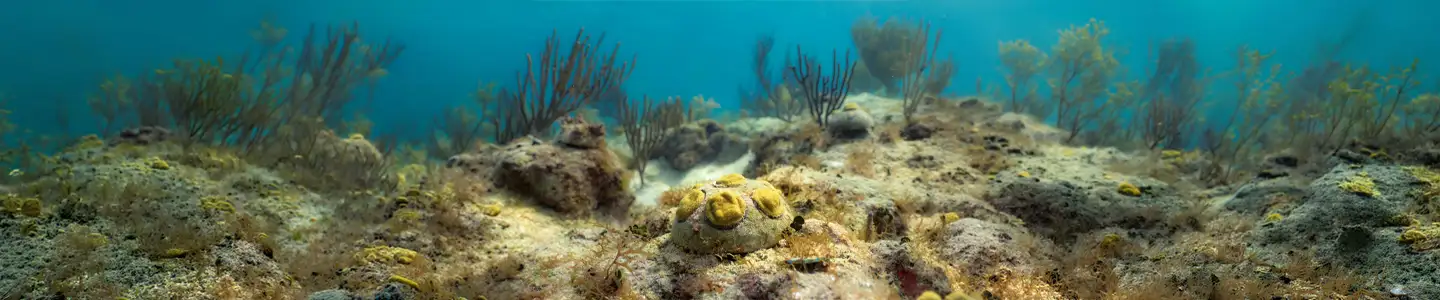
Rising ocean temperatures trigger mass bleaching. Ocean acidification weakens the calcium carbonate skeletons reefs need to grow. Between 2023 and 2025, over 83% of the world’s reef areas experienced bleaching-level heat stress. The urgency is real. So is the opportunity to act.
How Coral Vita Is Restoring Coral Reefs
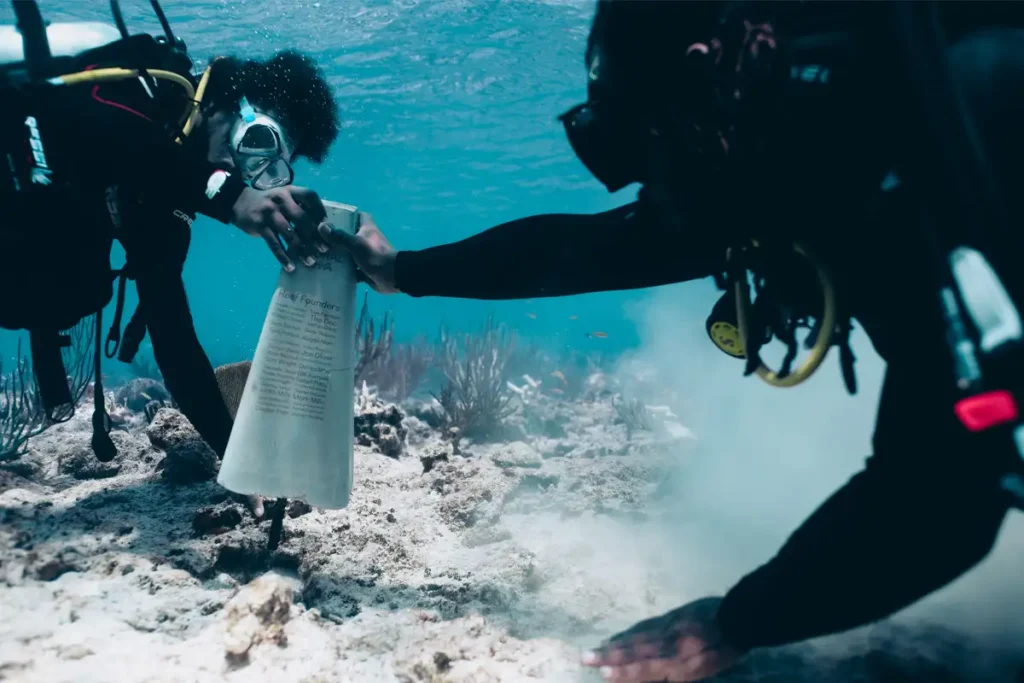
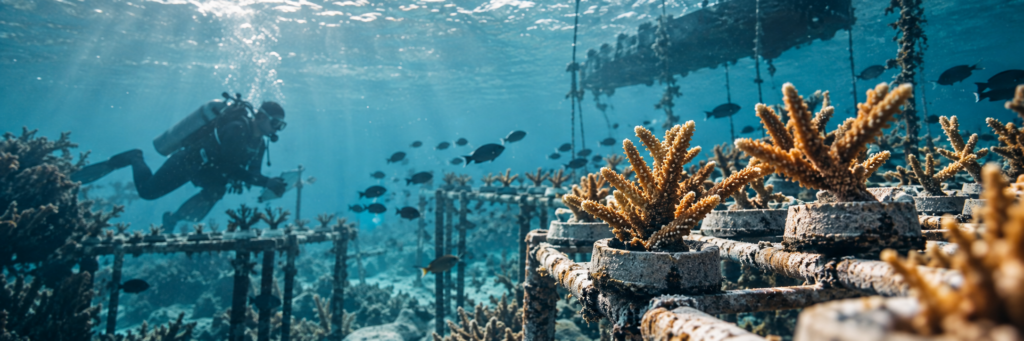
Coral Vita built the world’s first land-based commercial coral restoration company because reef loss is both ecological and economic. Co-founders Sam Teicher and Gator Halpern grow resilient corals on land and transplant them into threatened reefs across the Bahamas, Saudi Arabia, and the UAE. A recent $8.25M Series A round led by Builders Vision is funding further scale.7 Support it through Coral Vita’s adopt-a-coral program.
About Coral Vita
Coral Vita is a mission-driven company dedicated to restoring our world’s dying and damaged reefs. Using innovative land-based farming techniques, Coral Vita grows diverse and resilient corals in months instead of the decades they take in nature. These corals are then transplanted into threatened reefs, helping to preserve ocean biodiversity while protecting coastal communities that depend on healthy reefs for protection, food, and income.
Founded by environmental entrepreneurs Sam Teicher and Gator Halpern, Coral Vita’s high-tech coral farms incorporate breakthrough methods to restore reefs in the most effective way possible. In 2021, the company was recognized as the inaugural winner of Prince’s William’s Revive Our Oceans Earthshot Prize Winner for their pioneering work in coral restoration.
To learn more about Coral Vita’s work or to get involved in coral reef conservation efforts, visit their website at www.coralvita.co or contact them directly through their Contact Us page.
Frequently Asked Questions
Why are coral reefs important to humans?
Coral reefs provide food, income, and coastal protection for hundreds of millions of people. They buffer shorelines from storms, support fisheries that feed billions, and generate tens of billions in annual tourism and recreation revenue.
How do coral reefs protect coastlines?
Coral reefs absorb up to 97% of wave energy before it reaches shore, reducing storm damage, erosion, and flooding. Communities without reef protection face significantly higher infrastructure costs.
What marine life depends on coral reefs?
Roughly 25% of all marine species rely on coral reefs at some life stage, including fish, turtles, sponges, and invertebrates. Many commercially important fish use reefs as nurseries.
How does climate change affect coral reefs?
Rising ocean temperatures cause bleaching by forcing corals to expel the algae they need to survive. Increased carbon dioxide also acidifies the ocean, weakening the calcium carbonate structures reefs need to rebuild.
References
- https://www.fisheries.noaa.gov/national/habitat-conservation/shallow-coral-reef-habitat ↩︎
- https://coast.noaa.gov/states/fast-facts/coral-reefs.html ↩︎
- https://www.nature.org/en-us/what-we-do/our-insights/perspectives/protecting-million-dollar-reefs/ ↩︎
- https://illuminem.com/illuminemvoices/the-economics-of-coral-reefs ↩︎
- https://oceanservice.noaa.gov/education/tutorial_corals/coral07_importance.html ↩︎
- https://reef-world.org/importance-of-coral-reefs ↩︎
- https://coralvita.co/in-the-press/coral-vita-raises-8m-series-a-led-by-builders-vision-impactalpha/ ↩︎