Key Takeaways
A biodiversity hotspot is a place where extraordinary biological diversity meets extraordinary risk. These regions are rich in endemic species-life forms found nowhere else-yet heavily threatened by habitat loss, climate change, and other pressures.
Biodiversity hotspots are important because protecting them helps safeguard global biodiversity, local livelihoods, and the ecosystem services people depend on every day.
- There are currently 36 recognized biodiversity hotspots worldwide.
- Hotspots represent just 2.5% of Earth’s land surface.
- Biodiversity hotspots represent just 2.5% of Earth’s land surface, yet hotspots support over half of the world’s plant species as endemics.
- Biodiversity hotspots cover just 2.5% of Earth’s land surface, but they support nearly 43% of bird, mammal, reptile, and amphibian species.
- Biodiversity hotspots are home to approximately 2 billion people and provide 35% of ecosystem services relied upon by vulnerable people.
Species are vanishing at the fastest rate since dinosaurs disappeared 66 million years ago. But targeted conservation, responsible eco-tourism, and reef restoration can help turn hot spots from crisis zones into models of regeneration.
What Is Biodiversity? (And Why It’s the Foundation of Life)
Biological diversity means the variety of life on earth: genes, species, ecosystems, and the relationships that connect them. It includes plants, animals, fungi, microbes, coral reefs, tropical forests, coastal forests, rivers, and the vast array of wildlife that keeps nature functioning1.
Genetic diversity is variation within a species, such as different coral genotypes that may tolerate heat differently. Species diversity describes how many species are present and how evenly they share an ecosystem. Ecosystem diversity is the range of natural habitat types-reefs, mangroves, seagrass meadows, wetlands, forests, and grasslands.
This biodiversity supports ecosystem services: pollination, fisheries, water purification, carbon storage, soil stability, storm protection, and food security. Current biodiversity loss is accelerating because of land conversion, pollution, invasive species, over harvesting, and climate change. Marine ecosystems, especially coral reefs, are among the most threatened.
What Does “Biodiversity Hotspot” Mean?
A biodiversity hotspot2 is both a significant reservoir of biodiversity and threatened with destruction. In plain terms, it is a region with exceptional endemic plants and animals that has already suffered significant habitat loss.
To qualify as a biodiversity hotspot, a region must meet two criteria. Under the strict criteria used by conservation international and Conservation International’s hotspot framework, a region must contain at least 1,500 endemic vascular plants-about 0.5% of the world’s total-and have 30% or less of its original natural vegetation remaining.
A biodiversity hotspot must have at least 1,500 endemic plant species. A hotspot must have lost at least 70% of its original habitat. A biodiversity hotspot must have 30% or less of its original vegetation. These two strict criteria identify places where conservation can protect irreplaceable life.
British ecologist Norman Myers introduced the “hot spots” concept in the late 1980s. Today, scientists recognize 36 terrestrial hotspots distributed around the world across islands, mountains, temperate zones, and tropical regions. Together, they contain more than half of all endemic plant species and many species found nowhere else, including amphibian species, reptiles, birds, and mammals.
Why Are Biodiversity Hotspots Important?
Why are biodiversity hotspots important? Because they hold much of the most biodiversity on the planet while supporting people who rely on healthy ecosystems for water, food, safety, culture, and income. Hotspots are critical for conservation efforts worldwide.
Over two-fifths of species in hotspots are at high extinction risk, and one estimate suggests around a quarter face very high risk. Protecting a single region can help prevent extinction across many threatened species at once.
Hotspots also provide outsized ecosystem services despite their small area. Their forests store carbon, watersheds supply freshwater, roots protect soils, and coastal ecosystems buffer storms. Many overlap with communities facing poverty, so conservation must respect indigenous peoples, land rights, and local livelihoods-not separate people from nature.
Identifying a biodiversity hotspot also helps governments, NGOs, and funds like the Critical Ecosystem Partnership Fund prioritize limited resources for maximum impact.
Where Are the World’s Biodiversity Hotspots?
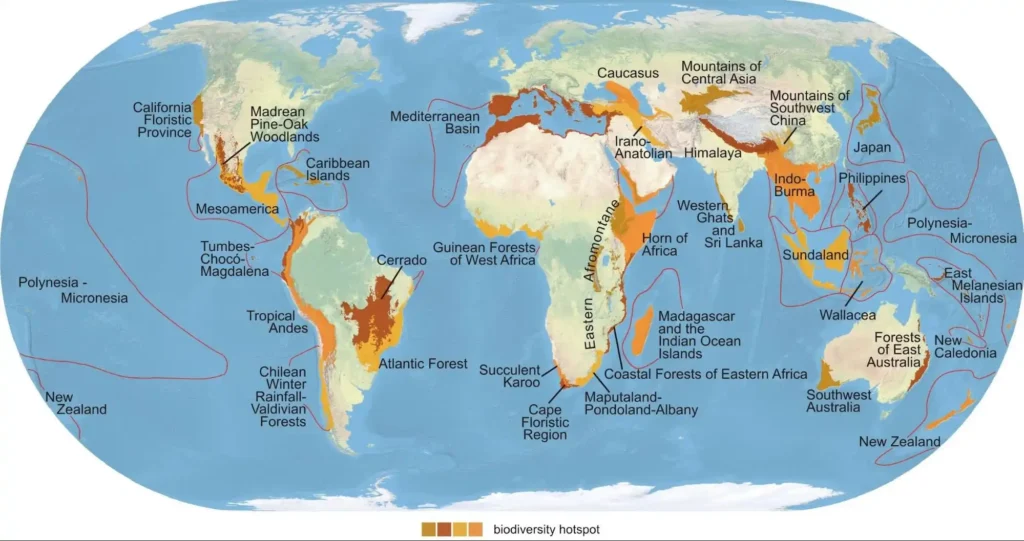
A world map of hotspots shows clusters across south america, southeast asia, Africa, island archipelagos, and several temperate regions. Every continent except Antarctica has areas of high biodiversity, but tropical regions and islands are especially rich in endemic life.
The tropical andes3 hotspot is often considered the richest terrestrial hotspot. The tropical andes stretch through Colombia, Ecuador, Peru, Bolivia, and northern Argentina, with steep elevation changes that create many habitats. The tropical andes hotspot is home to about one-sixth of all plant species.
The mediterranean basin spans southern Europe, North Africa, and the Near East. Its endemic plants are adapted to hot, dry summers, mild winters, seasonal drought, and fire. Development, tourism, invasive species, and climate change now threaten many remaining habitats.4
The indian ocean islands, including Madagascar, the Seychelles, and the Mascarenes, contain extraordinary endemic species such as lemurs, reptiles, baobabs, and rare plants. The indian ocean also connects these islands to coral reefs, mangroves, and seagrass ecosystems.
Other areas include the caribbean islands, western ghats, coastal forests of Eastern Africa, and island systems across the western Pacific. These places show how land, coast, and sea are linked.
Case Studies: Notable Biodiversity Hotspots Around the World
The Coastal Forests of Eastern Africa run from southern Somalia through Kenya and Tanzania into Mozambique. These coastal forests are now fragmented patches of forest and thicket within savanna woodlands, wetlands, villages, and farmland. Rare primates, cycads, and bird species depend on these fragments, but isolation reduces genetic flow and increases edge effects.
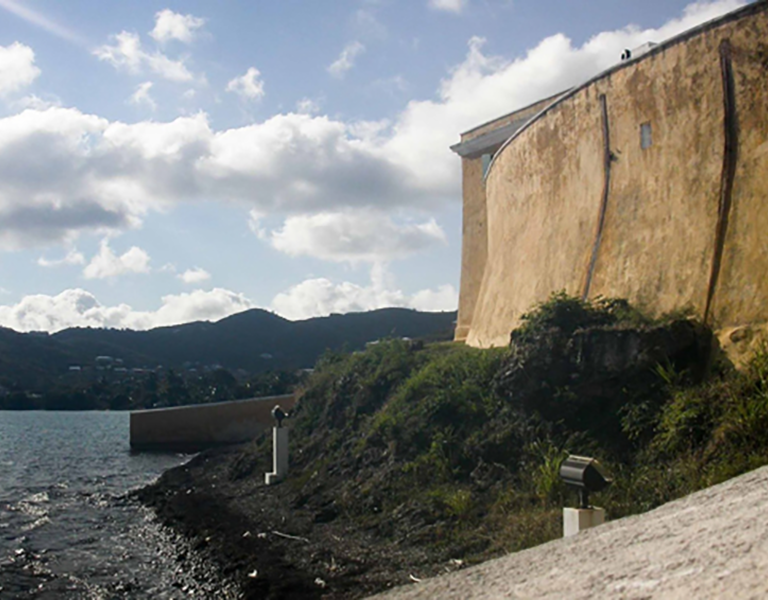
The caribbean islands hotspot includes the Greater and Lesser Antilles. It supports high levels of endemic birds, reptiles, amphibians, and plants, while facing tourism pressure, hurricanes, sea-level rise, habitat loss, and coral reef degradation. When reefs decline, fisheries, beaches, and coastal protection weaken too.
The mediterranean basin shows how long human history and conservation can coexist. Terraced agriculture, grazing, towns, and ports have shaped the region for centuries. But hotter droughts and more intense fires now threaten native species and human communities.
In Brazil’s Cerrado, 4,000 acres of Cerrado land are converted to farmland daily. This savanna hotspot illustrates how quickly original habitat can disappear when agricultural expansion outpaces protection.
What Threatens Biodiversity Hotspots Today?
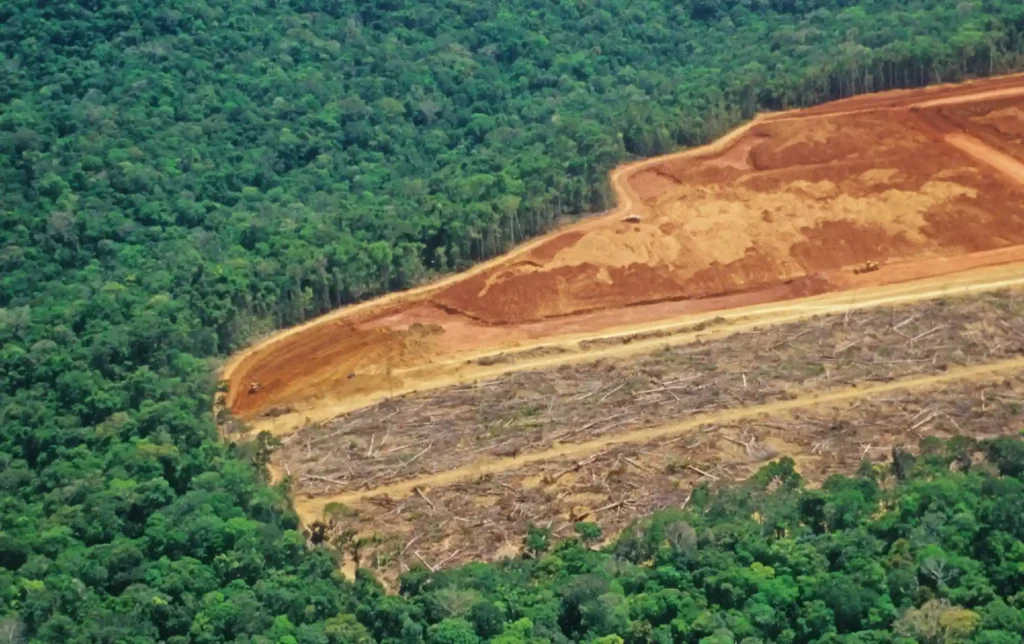
Biodiversity hotspots5 matter precisely because they are rich and vulnerable. The main threats are driven by human activity and include deforestation, agriculture, logging, mining, roads, dams, ports, urban sprawl, and energy development.
Key drivers include:
- Habitat loss and fragmentation that break natura6l habitat into isolated pieces.
- Overexploitation through hunting, overfishing, wildlife trade, and over harvesting.
- Invasive species that outcompete or prey on endemic wildlife.
- Pollution from pesticides, plastics, sewage, and industry, especially near coasts.
- Climate change, which brings warming oceans, shifting rainfall, stronger storms, drought, and wildfire.
Infrastructure adds pressure: 5% of biodiversity hotspots contain mines and 14% contain oil infrastructure. Roads and ports can open remote forests and coasts to exploitation. Poverty, weak governance, and conflict can make long-term conservation harder, especially where communities have few alternatives.
Conserving Biodiversity Hotspots: Strategies That Work

Conservation is most effective when it combines protection7, restoration, science, and local leadership. The Kunming-Montreal Global Biodiversity8 Framework calls for protecting at least 30% of land and sea by 2030, a target that matters deeply for hotspots.
Strategies that work include:
- Expanding well-managed protected areas and Indigenous and community conserved territories.
- Restoring degraded forests, wetlands, watersheds, mangroves, and coral reefs.
- Planning land use so farming, infrastructure, and conservation are balanced.
- Funding local organizations that know the landscape and communities.
- Monitoring change with satellites, surveys, community science, and adaptive management.
Responsible eco-tourism can also help when it is community-owned, science-based, low-footprint, and transparent. Coral Vita’s approach to regenerative marine tourism follows the same idea: visitors can learn, participate, and support measurable restoration rather than simply consume nature.
Coastal and Island Hotspots: From Forests to Coral Reefs
Many hotspots are coastal or island systems where forests, rivers, reefs, mangroves, and seagrass meadows function as one connected living system. Coastal forests filter runoff, stabilize shorelines, and provide habitat for endemic plants, primates, insects, and birds.
Coral reefs, mangroves, and seagrasses support fisheries, nursery grounds, tourism economies, and coastal protection in places like the caribbean islands and indian ocean islands. But deforestation and poorly planned development send sediment, nutrients, and pollution downstream, damaging reefs and seagrass beds.
Healthy reefs help surrounding hot spots withstand storms and recover from disturbance. Restoring reefs in biodiversity-rich seascapes protects communities, preserves marine species, and strengthens the resilience of adjacent land ecosystems.
How Coral Reef Restoration Supports Biodiversity Hotspots
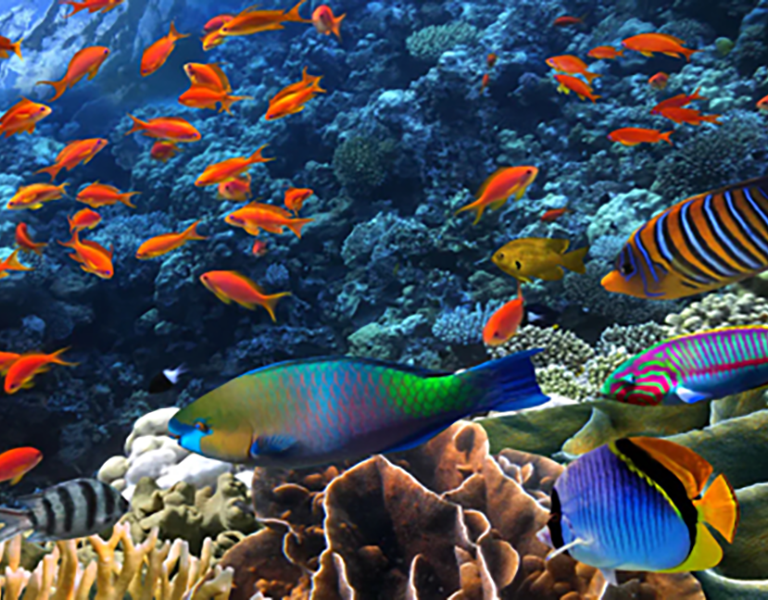
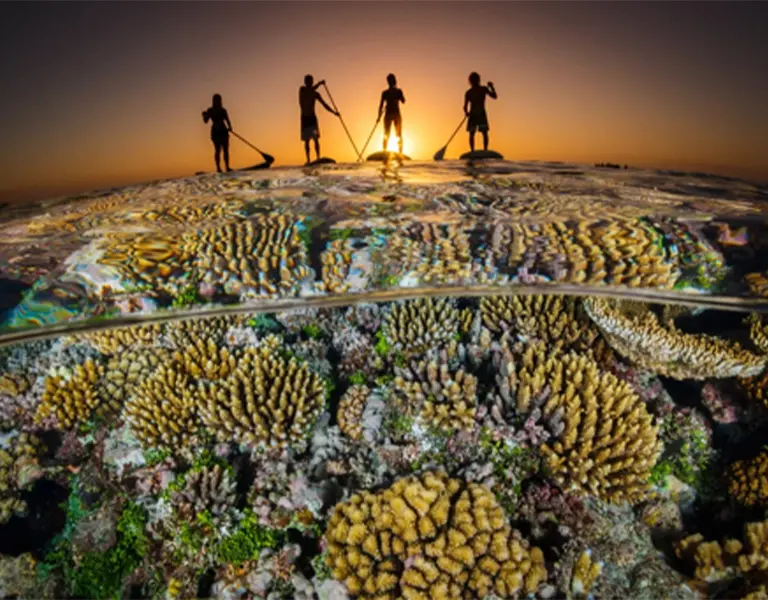
Coral reefs are often called underwater rainforests because they support roughly a quarter of marine species on less than 1% of the ocean floor. Many reefs sit within or beside biodiversity hotspots, linking ocean conservation to land-based conservation.
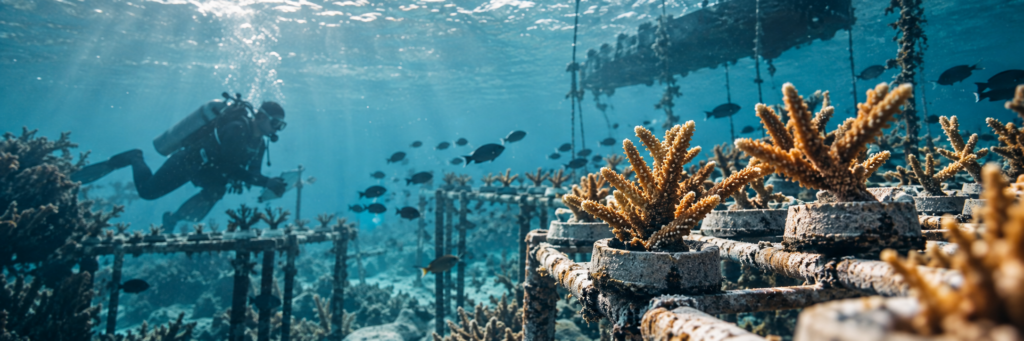
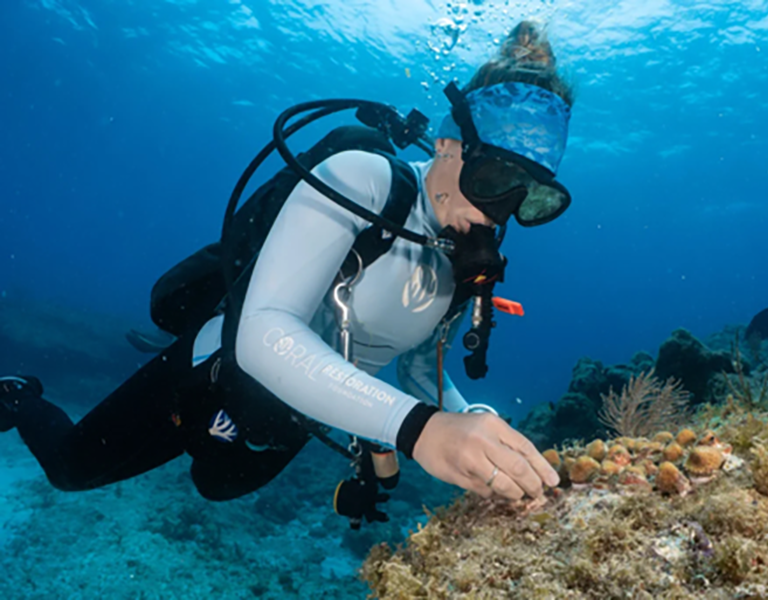
Through land-based coral farming and outplanting, Coral Vita grows resilient corals and restores degraded reefs faster than natural recovery alone. In places like The Bahamas, this model supports reef biodiversity, coastal protection, and local education. Learn more about Coral Vita’s restoration work at Coral Vita.
Healthier reefs create more habitat complexity for fish and invertebrates, strengthen storm protection, and support sustainable tourism and fisheries. Reef restoration works best when paired with mangrove protection, watershed management, marine protected areas, and community leadership.
What You Can Do to Help Protect Biodiversity Hotspots
The future of hotspots depends on both policy and personal choices. You can help by supporting organizations that restore habitats, protect forests, and rebuild reefs9.
Practical steps include:
- Support community-based conservation and coral restoration.
- Choose travel providers that prioritize local ownership, certifications, and low-impact operations.
- Reduce climate change impacts through lower-carbon transport, energy efficiency, and climate advocacy.
- Join citizen science, reef monitoring, beach cleanups, or native habitat restoration.
- Buy sustainable seafood, avoid products linked to deforestation, and reduce single-use plastics.
If you want to see how restoration can become hopeful, measurable, and community-centered, explore Coral Vita’s work and consider how you can visit, partner, or contribute.
About Coral Vita
Coral Vita is a mission-driven company dedicated to restoring our world’s dying and damaged reefs. Using innovative land-based farming techniques, Coral Vita grows diverse and resilient corals in months instead of the decades they take in nature. These corals are then transplanted into threatened reefs, helping to preserve ocean biodiversity while protecting coastal communities that depend on healthy reefs for protection, food, and income].
Founded by environmental entrepreneurs Sam Teicher and Gator Halpern, Coral Vita’s high-tech coral farms incorporate breakthrough methods to restore reefs in the most effective way possible. In 2021, the company was recognized as the inaugural winner of Prince’s William’s Revive Our Oceans Earthshot Prize Winner for their pioneering work in coral restoration.
To learn more about Coral Vita’s work or to get involved in coral reef conservation efforts, visit their website at www.coralvita.co or contact them directly through their Contact Us page.
Frequently Asked Questions
How many biodiversity hotspots are there and who decides which regions qualify?
There are currently 36 officially recognized terrestrial biodiversity hotspots. Scientists working with Conservation International identify and reassess them using strict criteria for endemic vascular plants and habitat loss.
Are oceans and coral reefs included in biodiversity hotspots?
The classic biodiversity hotspot framework focuses on terrestrial plants and original vegetation. However, many hotspots include coastal zones where coral reefs, mangroves, and seagrasses are tightly connected to land ecosystems.
Do biodiversity hotspots ever “recover” and stop being hotspots?
In theory, a region could reduce threat through large-scale restoration and protection. In practice, endemic species remain irreplaceable, and restoring original natural vegetation after severe loss can take decades or centuries.
Why focus on hotspots instead of spreading conservation efforts evenly?
Conservation resources are limited. Focusing on hotspots helps protect the greatest number of threatened and endemic species per dollar while still complementing broader conservation work in other areas.
How is climate change expected to alter biodiversity hotspots by 2050?
Climate models project major shifts in heat, rainfall, storms, fire, and sea level. Without emissions cuts and adaptation, many island, Mediterranean, and mountain species could face much higher extinction risk by mid-century.
References
- https://www.conservation.org/priorities/biodiversity-hotspots ↩︎
- https://www.cepf.net/our-work/biodiversity-hotspots ↩︎
- https://www.worldwildlife.org/places/tropical-andes ↩︎
- https://www.sciencedirect.com/science/article/pii/S2351989419307231 ↩︎
- https://www.pnas.org/content/117/51/32411 ↩︎
- https://www.nature.com/articles/387253a0 ↩︎
- https://www.pnas.org/content/97/4/1990 ↩︎
- https://www.ipbes.net/global-assessment ↩︎
- https://www.iucn.org/resources/issues-brief/protected-areas-and-biodiversity ↩︎