The world’s oceans cover more than 70 percent of the planet’s surface, generate half of the oxygen we breathe, absorb excess heat from a changing climate, and sustain the food security of billions of people. They are also under unprecedented pressure. Plastic pollution, ocean acidification, overfishing, habitat destruction, and climate change have pushed critical marine ecosystems to the edge. Yet around the world, a growing movement of scientists, governments, fishing communities, and conservation organizations is pushing back.
These ocean conservation efforts are not just slowing the damage. The best of them are actively rebuilding marine habitats, restoring biodiversity, and securing the world’s oceans for future generations. Here are the initiatives making the biggest difference in 2026, and why the ocean’s future depends on scaling them.
Key Takeaways
- Coral reef restoration is transforming recovery timelines from decades to months, with measurable survivorship across dozens of species.
- Marine protected areas covering 30 percent of the ocean by 2030 are a central target of international conservation efforts.
- Plastic pollution reduction, sustainable fisheries management, and coastal wetlands restoration each deliver compounding benefits for ocean health.
- Local leadership and indigenous stewardship are proving as important as cutting edge science in protecting and restoring marine life.
1.Coral Reef Restoration: Ocean Conservation Efforts at the Frontier of Science
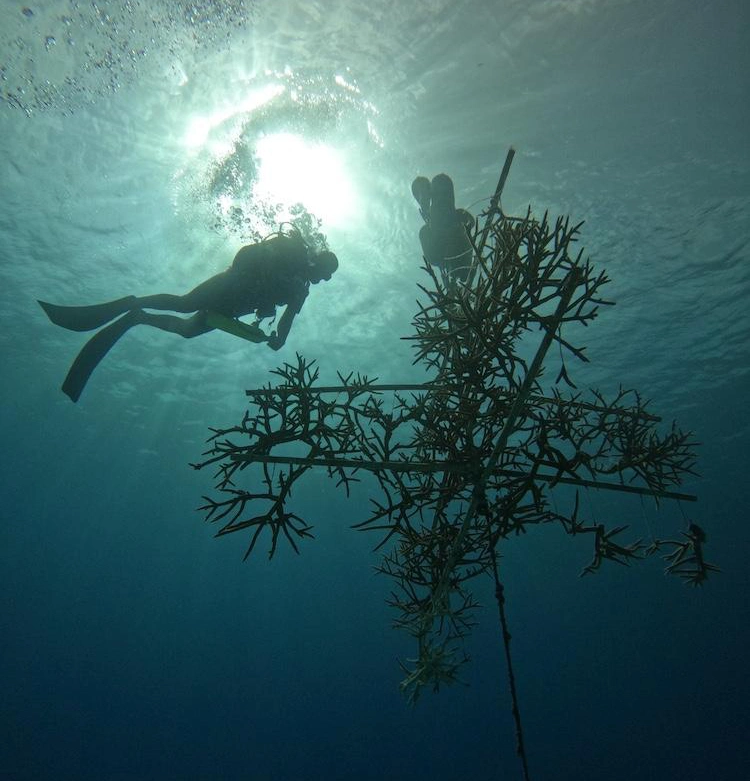
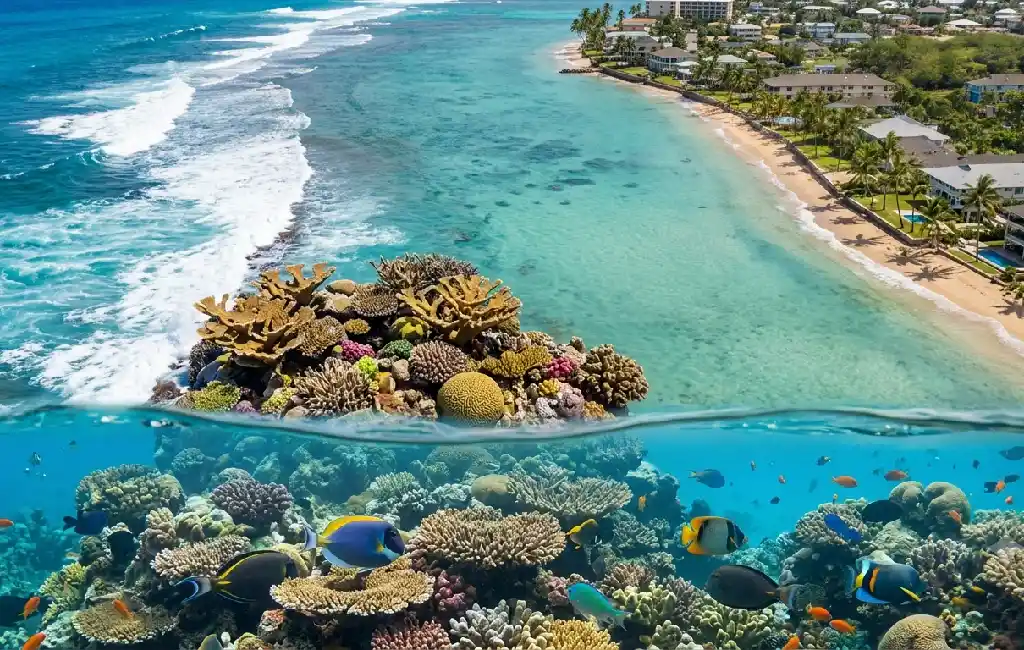
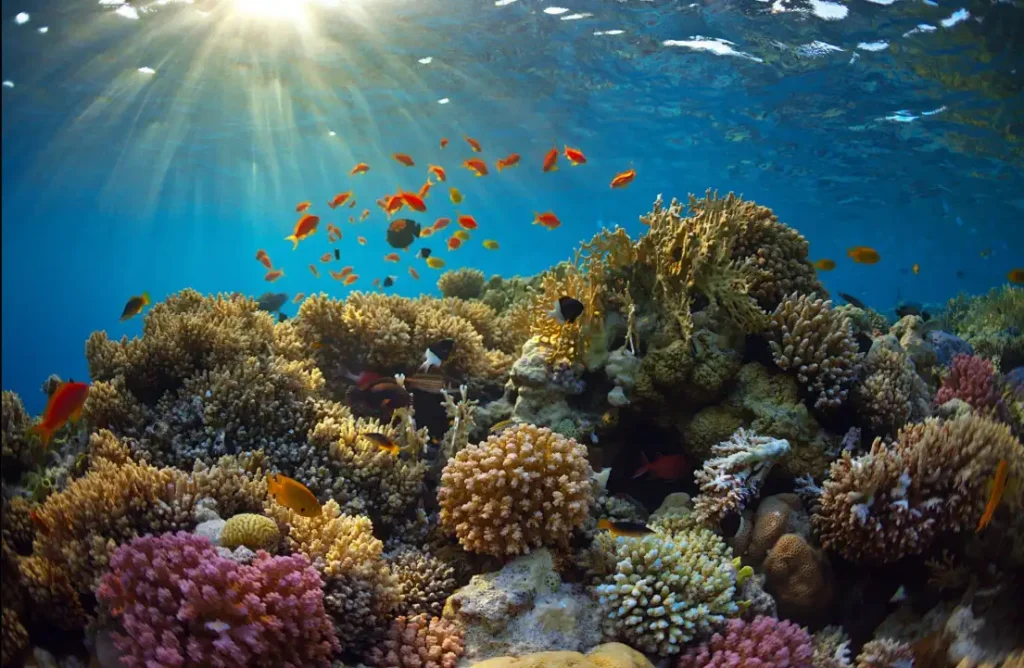
Coral reefs support roughly 25 percent of all marine species despite covering less than one percent of the ocean floor. They protect coastlines, sustain sustainable fisheries, drive tourism economies, and anchor the biodiversity of tropical seas. Decades of warming, ocean acidification, and local stressors have destroyed around half of the world’s coral reefs since the 1950s. Without intervention, climate change projections suggest that up to 90 percent of reefs could be severely degraded by 2050.
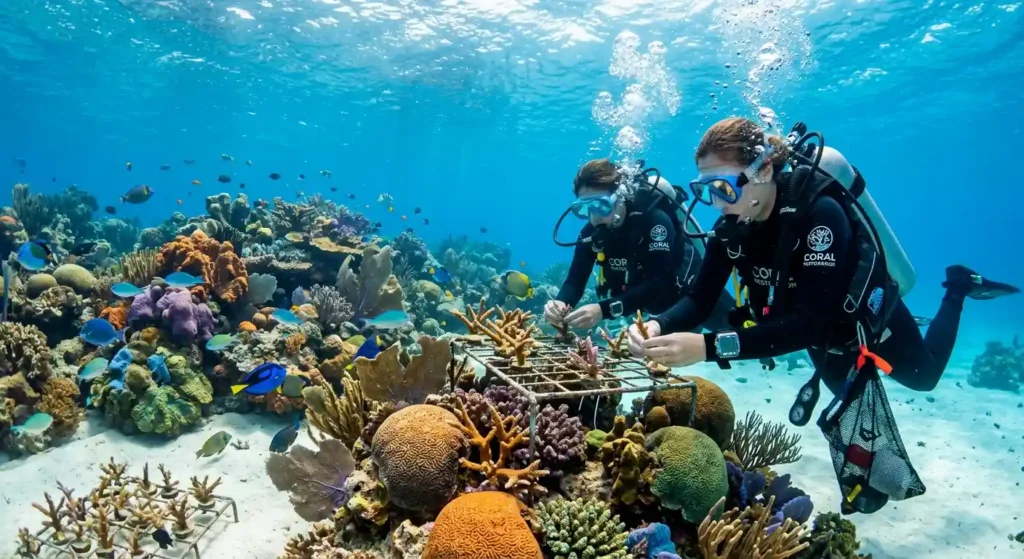
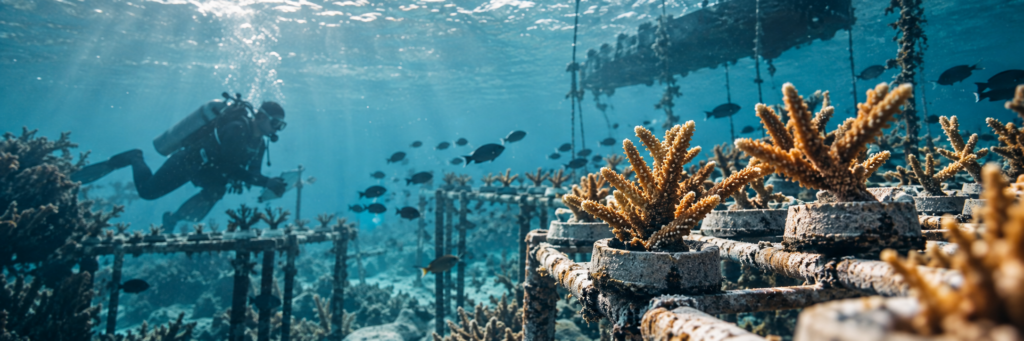
Coral Vita is one of the world’s most innovative reef conservation companies, running land-based coral farms that grow corals up to 40 times faster than traditional in-ocean methods. Since 2019, Coral Vita has grown over 100,000 corals across 52 species in The Bahamas, Saudi Arabia, and the UAE. Its BrainCoral platform, named a TIME Magazine Best Invention, delivers measurable, trackable impact for every coral outplanted onto reefs. The company is the Earthshot Prize winner for Revive Our Oceans and raised an $8M Series A led by Builders Vision.
What sets Coral Vita apart is the combination of cutting edge science and real-world scale. Restoration timelines that once took decades now take months. Corals are cultivated using assisted evolution techniques to improve resilience to warming and acidifying oceans. For coastal communities, fishing communities, and governments facing the loss of their reefs, this kind of restoration-as-a-service model represents a tangible path to protecting one of the most critical marine ecosystems on the planet.
2.Marine Protected Areas: Ocean Protection Through Policy Changes
Marine protected areas are designated zones where human activity is restricted to allow marine habitats and numerous marine species to recover. When well-designed and enforced, they allow fish populations to rebound, seabed ecosystems to recover, and biodiversity to return. The global community has committed to protecting 30 percent of the world’s ocean by 2030 under the Kunming-Montreal Global Biodiversity Framework, a landmark target that would require more than tripling current marine protection coverage.
The 2023 High Seas Treaty, the first international agreement to govern the conservation of marine resources beyond national jurisdictions, was a historic step for the high seas. It created a legal framework for establishing marine protected areas in international waters, which cover nearly half the planet’s ocean surface. Implementation is now the critical challenge, requiring policy changes, financing, and enforcement from governments worldwide.
3.Tackling Plastic Pollution for Healthier Marine Life
More than 11 million tonnes of plastic enter the ocean every year, entangling marine mammals, sea turtles, sharks, seabirds, and fish, and breaking down into microplastics that enter the food chain. Plastic pollution is one of the most visible and damaging threats to ocean health worldwide.
Conservation efforts to reduce plastic include beach and river cleanup programs, extended producer responsibility legislation, bans on single-use plastics, and packaging innovation. A global plastics treaty under negotiation in 2024 and 2025 could set binding international standards. Organizations like Ocean Conservancy and The Ocean Cleanup are deploying innovative solutions to intercept plastic before it reaches the sea or remove it from ocean gyres.
4.Sustainable Fisheries Management for a Healthy Ocean
Overfishing has depleted roughly a third of the world’s commercial fish stocks beyond sustainable limits. Restoring sustainable fisheries is both an ocean conservation priority and an economic necessity for the hundreds of millions of people who depend on fish as their primary protein source.
Science-based catch limits, gear restrictions, seasonal closures, and support for local communities to transition toward low-impact fishing are all proving effective. Certification programs like the Marine Stewardship Council give consumers tools to support sustainable seafood. Where these systems are well-implemented, fish populations recover, benefiting both the marine environment and fishing communities that depend on a healthy ocean.
5.Restoring Coastal Wetlands and Marine Habitats for Climate Resilience
Mangroves, salt marshes, and seagrass beds are among the most productive coastal ecosystems on Earth. They store carbon at rates far exceeding terrestrial forests, filter fresh water runoff before it reaches the sea, protect shorelines from storm surge, and serve as nursery habitats for numerous marine species including juvenile fish and sea turtles. Despite this, coastal wetlands have been drained, cleared, and degraded at alarming rates over the past century.
Restoration efforts are now scaling globally, supported by blue carbon finance mechanisms that reward governments and communities for protecting and restoring these habitats. The Nature Conservancy and other organizations are leading large-scale mangrove and seagrass restoration projects across Southeast Asia, the Caribbean, and East Africa. These efforts protect ecosystems while building climate resilience for vulnerable coastal communities.
6.Sea Turtle and Marine Species Recovery Programs
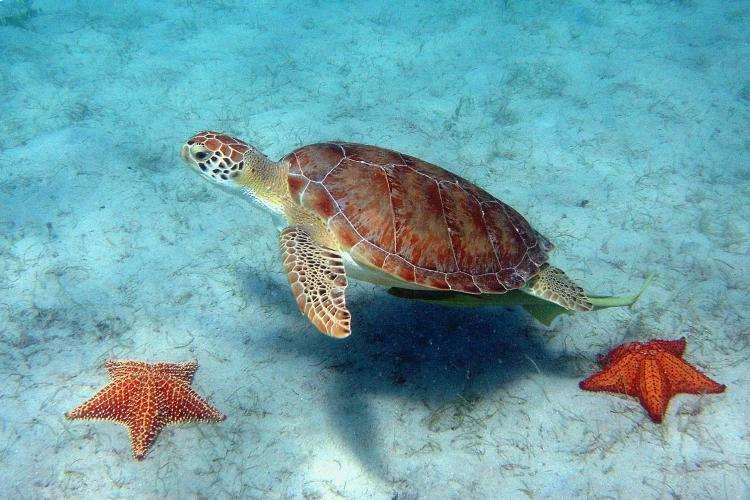
Sea turtles have inhabited the world’s oceans for more than 100 million years. Today, six of the seven species are classified as threatened or endangered, facing risks from bycatch, habitat loss, poaching, plastic pollution, and climate change affecting the temperature of nesting beaches.
Conservation programs including nesting beach protection, satellite tracking research programs, bycatch reduction devices, and community-based monitoring have enabled meaningful population recoveries in several regions. When coastal communities become stewards of wildlife, recovery follows. Healthy sea turtle populations also maintain seagrass beds and support overall ocean health, delivering benefits that ripple across the marine environment.
7. Addressing Ocean Acidification Driven by Climate Change
The ocean absorbs around a quarter of all carbon dioxide emitted by human activity, a natural process that has helped moderate global warming but at a steep cost. As CO2 dissolves in seawater, it forms carbonic acid, lowering ocean pH and making it harder for marine life including corals, oysters, sea urchins, and pteropods to build shells and skeletons. Ocean acidification threatens the foundation of marine food webs.
Tackling ocean acidification ultimately requires reducing carbon emissions globally. But local conservation efforts can help buffer ecosystems in the near term. Protecting and restoring coastal wetlands and seagrass beds reduces local acidification. Coral restoration programs like Coral Vita are selectively cultivating corals with higher tolerance to acidic conditions, helping reefs persist under a changing climate while broader emissions reductions take hold.
8. Deep Sea and High Seas Marine Protection
The deep sea is the largest habitat on Earth and one of the least understood. It supports extraordinary biodiversity, drives natural processes that regulate ocean chemistry, and sequesters vast quantities of carbon. Yet it faces growing threats from deep-sea mining, bottom trawling, and pollution.
The High Seas Treaty and expanding research programs are creating scientific and legal foundations for better protection. Organizations like Oceana and the Deep Sea Conservation Coalition are advocating for moratoriums on deep-sea mining until science can demonstrate it can proceed without causing irreversible damage to marine habitats.
9. Local Leadership and Community-Based Marine Conservation Efforts
Across the Pacific, the Caribbean, Southeast Asia, and East Africa, indigenous peoples and local communities have developed sophisticated systems for managing marine resources sustainably over generations. Community-based marine conservation efforts that build on this knowledge and give local communities genuine authority over ocean protection are consistently among the most effective and durable.
Locally managed marine areas in Fiji, community reef monitoring networks in the Philippines, and indigenous-led conservation zones in the Pacific Northwest all show that when fishing communities have ownership of conservation outcomes, marine habitats recover. Environmental education builds this stewardship culture, connecting future generations to the sea and the species that depend on it.
10. Protecting Marine Mammals, Sharks, and Ocean Wildlife
Marine mammals including whales, dolphins, and seals play outsized roles in ocean ecosystems. Whales, for example, cycle nutrients from the deep ocean to the surface through their feeding and migration patterns, supporting the phytoplankton productivity that underpins all marine food webs. Sharks regulate fish populations, maintaining the biodiversity and balance of reef and open-ocean ecosystems.
Conservation efforts including shipping lane adjustments to reduce whale strikes, international bans on shark finning, and marine protected areas covering key migration corridors are contributing to population stabilization for several species. These are long-term investments: marine mammals and sharks reproduce slowly, meaning protection today benefits the ocean for decades and supports sustainable development for communities that depend on healthy fisheries.
11. The Sustainable Blue Economy: Conservation Efforts for Future Generations
Ocean conservation is not just an environmental imperative. It is an economic one. The blue economy, encompassing fisheries, tourism, shipping, aquaculture, and coastal services, generates trillions of dollars in value annually. A healthy ocean is the foundation of this economy. Yet current exploitation rates are eroding the natural capital that makes these industries possible.
A sustainable blue economy aligns ocean use with ocean health. It means fishing sustainably, investing in reef conservation and coastal wetland protection, growing responsible aquaculture, and developing innovative solutions like offshore wind with minimal harm to marine habitats. For the global community, this transition integrates ocean protection into economic development rather than treating conservation as a constraint on growth.
The Ocean’s Future Depends on Conservation Efforts That Scale
The world’s oceans are resilient. Given the chance to recover, marine ecosystems can rebuild. Fish populations rebound, coral reefs regenerate, and marine mammals return when the pressures driving their decline are reduced and active restoration is applied. The conservation efforts in this article prove that recovery is not just possible in theory but happening in practice, around the world, right now.
What the ocean needs most is scale and urgency. Governments must deliver on marine protection commitments. Corporations must invest in reef conservation and coastal restoration. Everyday people must support the organizations doing the work. A healthier planet starts with a healthy ocean, and that starts with the conservation efforts we choose to back today.
About Coral Vita
Coral Vita is a mission-driven company dedicated to restoring our world’s dying and damaged reefs. Using innovative land-based farming techniques, Coral Vita grows diverse and resilient corals in months instead of the decades they take in nature. These corals are then transplanted into threatened reefs, helping to preserve ocean biodiversity while protecting coastal communities that depend on healthy reefs for protection, food, and income.
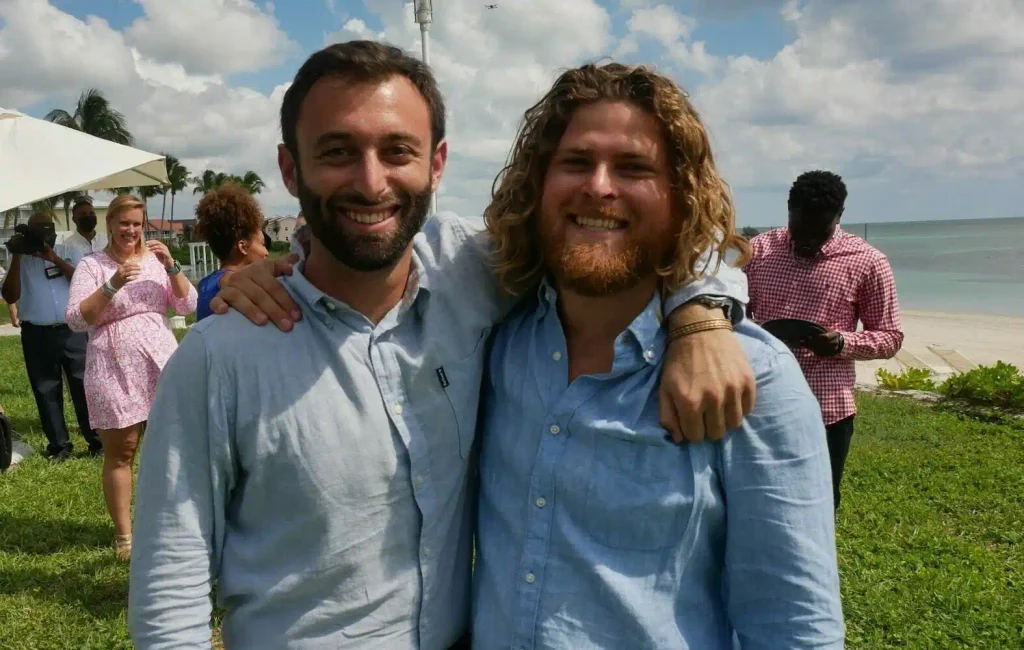
Founded by environmental entrepreneurs Sam Teicher and Gator Halpern, Coral Vita’s high-tech coral farms incorporate breakthrough methods to restore reefs in the most effective way possible. In 2021, the company was recognized as the inaugural winner of Prince’s William’s Revive Our Oceans Earthshot Prize Winner for their pioneering work in coral restoration.
To learn more about Coral Vita’s work or to get involved in coral reef conservation efforts, visit their website at www.coralvita.co or contact them directly through their Contact Us page.
Frequently Asked Questions
What are the most effective ocean conservation efforts today?
The most effective efforts combine coral reef restoration, marine protected areas, sustainable fisheries management, plastic pollution reduction, and coastal wetland restoration. Local leadership and cutting edge science both play critical roles in lasting outcomes.
How does coral reef restoration help rebuild marine ecosystems?
Companies like Coral Vita grow corals in land-based farms up to 40 times faster than natural rates, then outplant them onto degraded reefs. This rebuilds critical marine ecosystems, restores biodiversity, and supports the numerous marine species that depend on reefs.
What is the High Seas Treaty and why does it matter for ocean conservation?
The High Seas Treaty is the first international agreement governing marine protection beyond national waters. It enables marine protected areas in international seas, covering nearly half the global ocean, and is a landmark step for conservation efforts on the high seas.
How does climate change affect marine life and coral reefs?
Climate change drives ocean warming and acidification, bleaching corals and disrupting marine habitats. It shifts species distributions, harms sea turtles and marine mammals, and threatens the coastal ecosystems that protect communities from extreme weather.
How can individuals support ocean conservation?
Individuals can support ocean conservation by choosing sustainable seafood, reducing plastic use, backing reef conservation organizations like Coral Vita through adopt-a-coral programs, advocating for marine protection policies, and supporting environmental education in coastal communities.