The relationship between ocean pollution and coral reefs is one of the defining environmental stories of our time. Pollution from farmland runoff, storm drains, and plastic waste compounds every other threat coral reefs face. Understanding what enters the sea is the first step toward protecting what remains.
Key Takeaways
- Pollution from land-based sources including agricultural runoff, sewage, and plastic waste directly weakens coral health, making coral reefs more vulnerable to bleaching and disease.
- Plastic debris has been found in 77 out of 84 coral reef sites surveyed across the Pacific, Atlantic, and Indian Oceans, including remote, near-pristine locations.
- Excess nutrients from fertilizers and sewage fuel algal blooms that smother coral colonies and block the sunlight corals need to survive.
- Coastal development, destructive fishing, and chemical pollution create compounding local threats that interact with global stressors like climate change and ocean acidification.
- Reef restoration like Coral Vita’s land-based coral farming helps rebuild damaged reefs, but reducing pollution at the source remains the most powerful lever available.
How Pollution Compounds Every Threat Coral Reefs Already Face
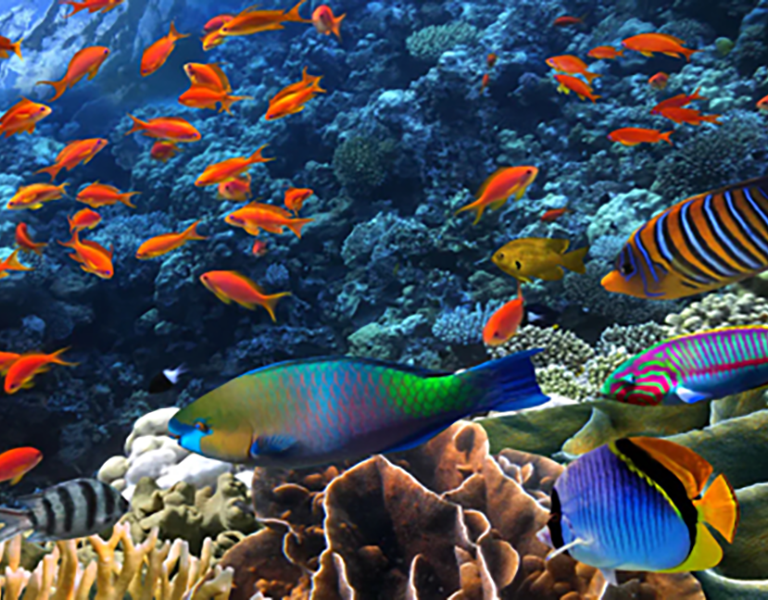
Coral reefs cover less than one percent of the ocean floor, yet they support roughly a quarter of all marine species.1 They feed coastal communities, protect shorelines from storm surge, and generate hundreds of billions of dollars in tourism and fisheries revenue annually. They are also among the most pollution-sensitive ecosystems on the planet.
The threats coral reefs face from pollution are not one contaminant or one source. They are a web of pressures, each eroding coral resilience. A reef weakened by nutrient runoff bleaches more easily. A reef stressed by coral bleaching has less capacity to fight coral disease. A reef covered in plastic debris loses the structural complexity that reef species depend on.
What Coral Reef Ecosystems Actually Need to Thrive
To understand why pollution is so damaging, it helps to understand how coral reef ecosystems function. Corals are animals, specifically coral polyps, that build calcium carbonate skeletons and live in dense coral colonies. Inside their coral tissues live symbiotic algae called zooxanthellae, microscopic algae that photosynthesize and provide corals with up to 90 percent of their energy.¹
Corals evolved in clear, warm, nutrient-poor water. They need consistent light, stable temperatures, and low concentrations of nitrogen and phosphorus to maintain the ecological balance that keeps coral reef ecosystems productive. Coral growth is also slow. Most hard corals build their skeletons at roughly one to two centimeters per year, meaning a reef takes centuries to develop the complexity that supports thousands of species.2 Pollution does not just hurt corals today; it erodes the capacity for recovery.
Land-Based Sources: Where Most of the Damage Starts
The Invisible Flood From Our Farms and Cities
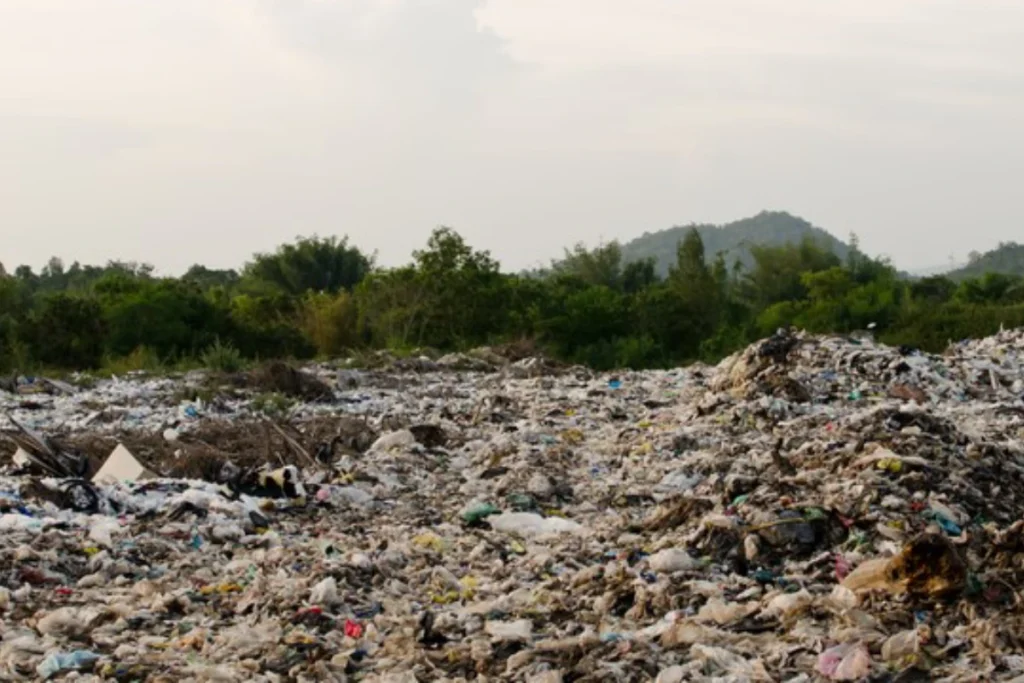
Between 70 and 80 percent of ocean pollution originates on land.3 Storm drains carry motor oil and lawn chemicals into coastal waters, agricultural fields send nitrogen and phosphorus through rivers to the sea, and inadequately treated sewage flows directly onto nearby coral reefs.
Nutrient pollution from agricultural runoff is one of the most widespread threats. When farms apply fertilizers, rain events wash excess nitrogen and phosphorus into waterways that travel downstream into coastal waters, fueling explosive algal bloom growth that blankets coral reefs, cuts off sunlight, and outcompetes corals for space.4 When those algae die and decompose, bacteria consume dissolved oxygen, creating low-oxygen dead zones where coral and fish cannot survive.
Stormwater runoff from urban areas carries motor oil, lawn chemicals, household chemicals, and spilled brake fluid that washes from driveways into storm drains and toward coastal areas. Residents can help by using rain barrels to capture runoff and never dumping paint or other household chemicals down drains.
Sewage and Coastal Development
Coastal development concentrates people near coral reefs and, without adequate infrastructure, concentrates their waste near them too. An estimated 80 percent of wastewater discharged in many reef regions is inadequately treated.5 Raw or partially treated sewage delivers high concentrations of nitrogen and phosphorus directly into coastal waters, triggering the same nutrient enrichment cycle that agricultural runoff drives.
Coastal development also destroys reef-adjacent habitats. Mangroves and seagrass beds filter sediment and nutrients before they reach coral reefs. When coastal development clears these for hotels, ports, and infrastructure, it removes the buffer system reefs depend on. Sediment released during land clearing smothers coral tissues and blocks the light that symbiotic algae need. Even boat anchors dropped onto living reef can destroy decades of coral growth in seconds.
Plastic Pollution: A Threat That Has Reached Every Reef on Earth
Marine Debris Is Everywhere
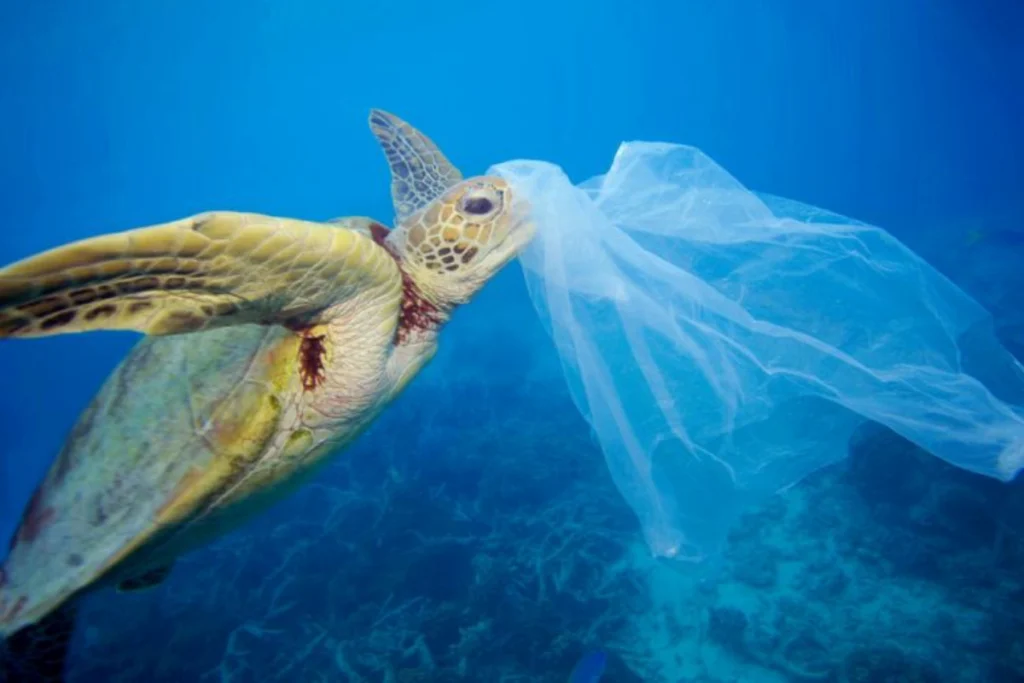
Plastic pollution has emerged as one of the most alarming global threats over the past two decades. Between 8 and 10 million metric tons of plastic enter the ocean every year.³ A 2023 study published in Nature surveyed 84 reef sites across the Pacific, Atlantic, and Indian Oceans and found anthropogenic debris in 77 of them, including uninhabited central Pacific atolls thousands of miles from the nearest human settlement.6
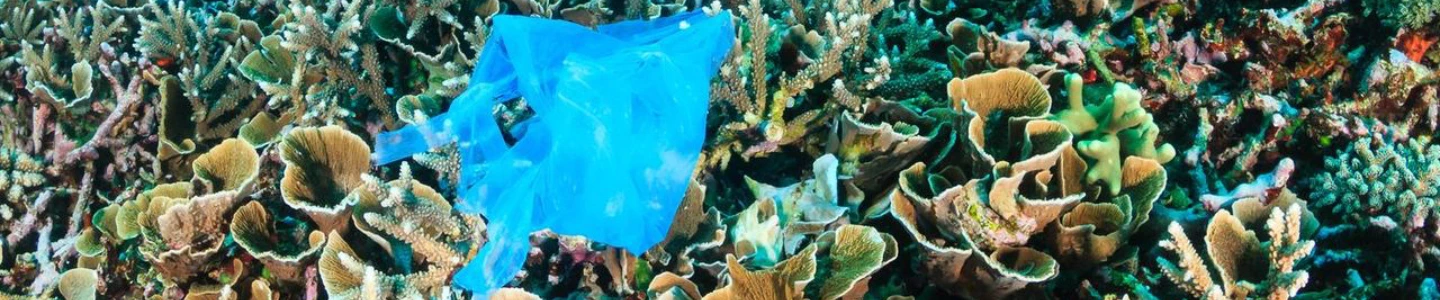
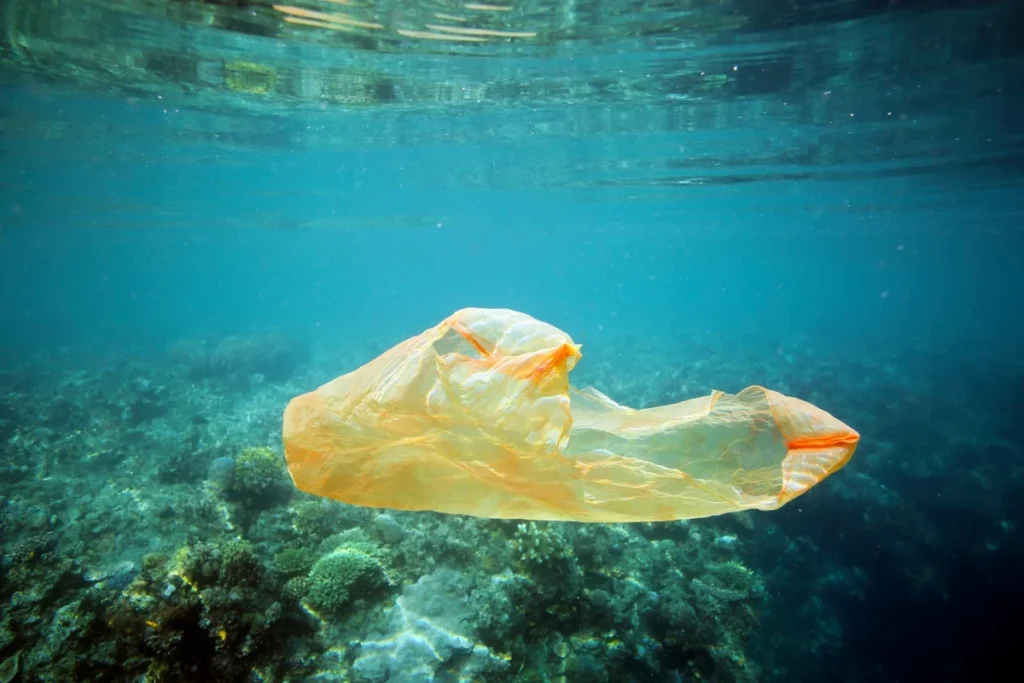
The plastic reaching coral reefs takes many forms: plastic bags, discarded fishing gear, single-use containers, and microplastics too small to see. Discarded fishing gear wraps around coral colonies, physically crushing them while blocking light and trapping sediment.
How Plastic Harms Coral Tissues
The damage plastic does to coral reef ecosystems goes beyond physical abrasion. Chronic exposure to plastic debris increases disease susceptibility (Lamb et al., 2018), suppresses coral growth rates (Reichert et al., 2019, 2024), compromises symbiotic algae health, and weakens coral immune capacity.7 Plastic debris can also carry pathogens from distant waters into reef communities, spreading coral disease across distances it would never naturally travel.
Plastic particles degrade into microplastics that coral polyps ingest alongside their natural prey. Studies including Avio et al. have shown microplastic ingestion disrupts coral feeding and causes physical damage within coral tissues.8 Plastics may amplify climate-driven stress through shared biological pathways, meaning a reef already struggling with warming waters carries a compounded burden when its corals are also compromised by plastic debris.⁷
Climate Change and Ocean Acidification: The Global Multipliers
When Local Threats Meet Global Pressures
Climate change intersects with local pollution at every point. The ocean absorbs roughly 30 percent of the carbon dioxide released by burning fossil fuels, and as it does, ocean acidification reduces the availability of carbonate ions that coral polyps need to build their skeletons, slowing coral growth over time.9
Rising temperatures trigger coral bleaching, the process by which stressed corals expel their symbiotic algae and turn pale white. Prolonged coral bleaching leads to starvation, increased vulnerability to coral disease, and mass mortality. The 2024 to 2025 global bleaching event, the largest ever recorded, affected 75 percent of coral reefs worldwide.10
Pollution makes all of this worse: reefs weakened by nutrient runoff, plastic debris, and chemical contamination bleach at lower temperatures and recover more slowly than unpolluted reefs.¹⁰
Invasive Species and Chemical Threats
Invasive Species and the Reef Community
Invasive species represent biological pollution that can spread rapidly through reef communities and create unique management challenges. Many reef invaders arrive via ballast water discharged by ships or through the aquarium trade.
The lionfish invasion across Caribbean and Atlantic coral reefs is among the most studied examples. Lionfish consume the herbivorous fish that graze algae and keep coral reefs clear. When those populations collapse, algae takes over, accelerating the same trajectory that nutrient pollution drives. Combined with nutrient enrichment, this can shift coral reefs from coral-dominated to algae-dominated states that are hard to reverse.
Chemical Pollution: From Sunscreen to Industrial Runoff
Oxybenzone and octinoxate, the UV-blocking compounds in many conventional sunscreens, damage coral larvae, disrupt coral reproduction, and contribute to coral bleaching even at very low concentrations. Choosing reef-safe, mineral-based sun protection is a concrete step any reef visitor can take.
Industrial discharges deliver heavy metals and persistent organic pollutants into coastal waters. Most notably, toxicants accumulate in coral tissues over time, interfering with the overall ecological function of reef communities. Agricultural runoff also carries pesticides and herbicides that specifically affect the symbiotic algae living inside corals, disrupting photosynthesis and weakening the partnership corals depend on.
Local Threats, Global Stakes
The Compounding Reality
Most coral reefs today face multiple stressors at once. Pollution compromises coral reef ecosystems’ structural integrity; climate change raises temperatures and lowers pH; destructive fishing removes herbivorous fish that keep algae in check; and coastal development removes habitats that filter runoff. Even coral reefs in protected marine areas face global threats that local regulation cannot fully address.
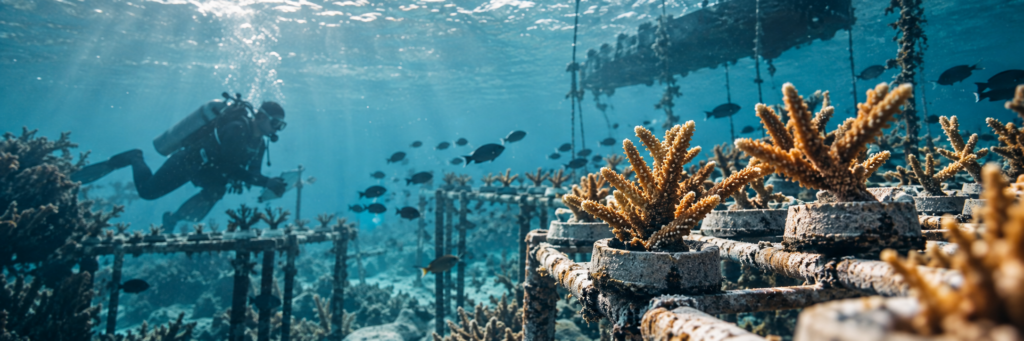
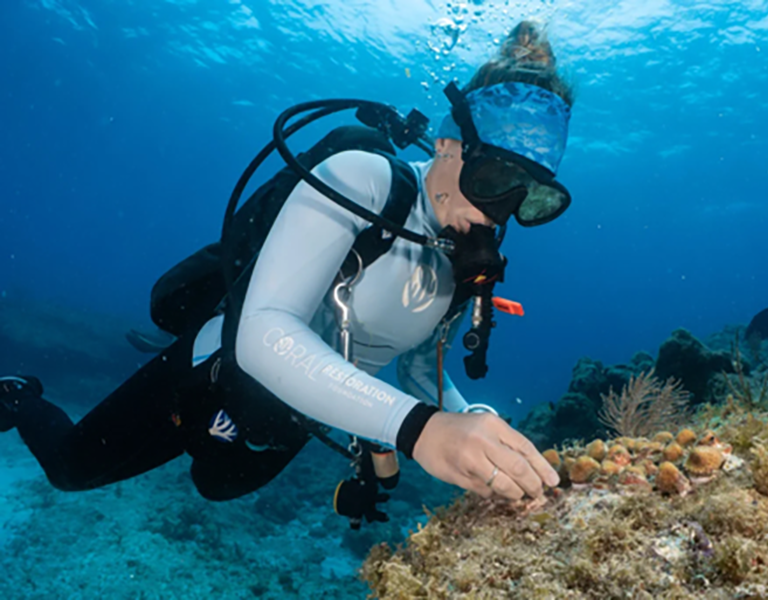
This is the reality that Coral Vita, a coral restoration company, works within. Restoration matters and it works, but it does not replace reducing the pressures degrading coral reefs in the first place. As Coral Vita co-founder Seth Teicher has put it, the single best thing for coral reefs is to stop killing them. Restoration provides a pathway to rebuild what has been lost and to grow more climate-resilient coral species through assisted evolution, but coral reefs need clean water and intact ecosystems to survive long-term.
What Restoration Tells Us About Reef Vulnerability
Coral Vita’s land-based coral farms in the Bahamas and Saudi Arabia grow over 52 coral species using techniques that accelerate coral growth compared to degraded ocean conditions. Land-based farming is effective in part because it removes corals from direct stressors during their most vulnerable early stages. When those corals are transplanted to threatened reefs, survival depends heavily on local water quality.
This is why Coral Vita partners with local communities and governments alongside its restoration work. Protecting conditions that allow reef recovery is inseparable from restoration itself. Learn more about Coral Vita’s reef restoration work and the threats to coral reefs documented across reef regions globally.
What We Can Do
Most coral reef degradation from pollution is preventable. Reducing agricultural runoff, improving sewage treatment in coastal communities, eliminating single-use plastic from watersheds, and transitioning away from fossil fuels are changes that reduce harm at the source.
At the individual level: choose reef-safe sunscreen, properly dispose of household chemicals rather than washing them into storm drains, reduce plastic waste, and support policies that prioritize coastal water quality. Our articles on ocean acidification, marine conservation, and coral reef ecosystems provide further context on these interconnected threats.
Restoration is part of the solution. Stopping the inputs that make restoration necessary is the other part.
About Coral Vita
Coral Vita is a mission-driven company dedicated to restoring our world’s dying and damaged reefs. Using innovative land-based farming techniques, Coral Vita grows diverse and resilient corals in months instead of the decades they take in nature. These corals are then transplanted into threatened reefs, helping to preserve ocean biodiversity while protecting coastal communities that depend on healthy reefs for protection, food, and income.
Founded by environmental entrepreneurs Sam Teicher and Gator Halpern, Coral Vita’s high-tech coral farms incorporate breakthrough methods to restore reefs in the most effective way possible. In 2021, the company was recognized as the inaugural winner of Prince’s William’s Revive Our Oceans Earthshot Prize Winner for their pioneering work in coral restoration.
To learn more about Coral Vita’s work or to get involved in coral reef conservation efforts, visit their website at www.coralvita.co or contact them directly through their Contact Us page.
Frequently Asked Questions
How does ocean pollution affect coral reefs specifically?
Ocean pollution weakens coral reefs through nutrient enrichment, chemical toxicity, physical damage from plastic debris, and sediment smothering. Polluted reefs bleach at lower temperatures and recover more slowly than unpolluted reefs.
What is the biggest source of pollution harming coral reefs?
Land-based sources account for 70 to 80 percent of ocean pollution, with agricultural runoff, inadequately treated sewage, and urban stormwater being the primary contributors to nutrient enrichment and chemical contamination in coastal waters.
Can coral reefs recover from pollution damage?
Coral reefs can recover when pollution sources are reduced and water quality improves, though recovery takes time. Land-based coral farming can accelerate recovery, but clean water conditions are essential for transplanted corals to establish coral cover.
What can individuals do to reduce ocean pollution on coral reefs?
Individuals can choose reef-safe sunscreen, reduce single-use plastic, properly dispose of household chemicals, support sustainable seafood, and advocate for better agricultural and sewage policies in reef regions to protect the coral reefs coastal communities depend on.
References
- https://oceanservice.noaa.gov/facts/coralreef.html ↩︎
- https://www.noaa.gov/education/resource-collections/ocean-coasts/coral-reefs ↩︎
- https://www.greenmatch.co.uk/ocean-pollution-facts ↩︎
- https://coral.org/en/blog/how-pollution-threatens-coral-reefs-and-what-we-can-do-about-it/ ↩︎
- https://www.epa.gov/coral-reefs/threats-coral-reefs ↩︎
- https://www.nature.com/articles/s41586-023-06113-5 ↩︎
- https://www.frontiersin.org/journals/marine-science/articles/10.3389/fmars.2026.1850929/full ↩︎
- https://www.sciencedirect.com/science/article/abs/pii/S0025326X23001868 ↩︎
- https://coralvita.co/coral-cafe/ocean-acidification/ ↩︎
- https://theworlddata.com/ocean-pollution-statistics-and-facts/ ↩︎