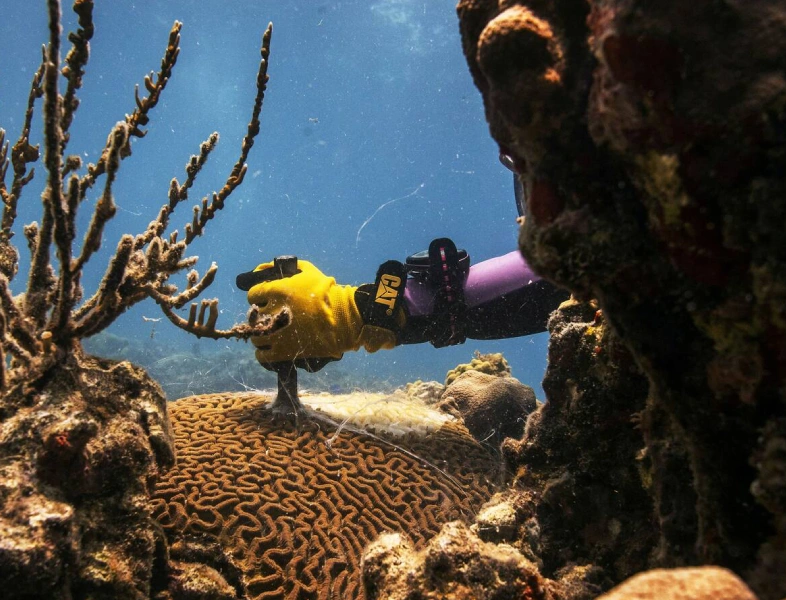
Sustainability solutions used to mean a recycling bin and a line in the annual report. Regulators, investors and employees now expect measurable progress, and the list of sustainability solutions keeps growing.
This roundup covers the sustainability solutions doing real work today, then closes with one most companies overlook: sponsoring coral reef1 restoration for coastal defense, backed by an Earthshot Prize winner.
Key Takeaways
- Sustainability solutions span energy, waste, agriculture, transport and governance; energy efficiency and waste management are usually the fastest wins.
- These goals work best as two or three chosen priorities, not seventeen equal boxes to check.
- Reef restoration is a sustainability solutions category most companies never explore, despite reefs preventing an estimated $94 billion in coastal damage a year.
- Coral Vita pairs an Earthshot Prize record with a coastal defense case that fits both compliance and brand goals.
1. Coral Vita: The Sustainability Solution Built for Coastal Defense
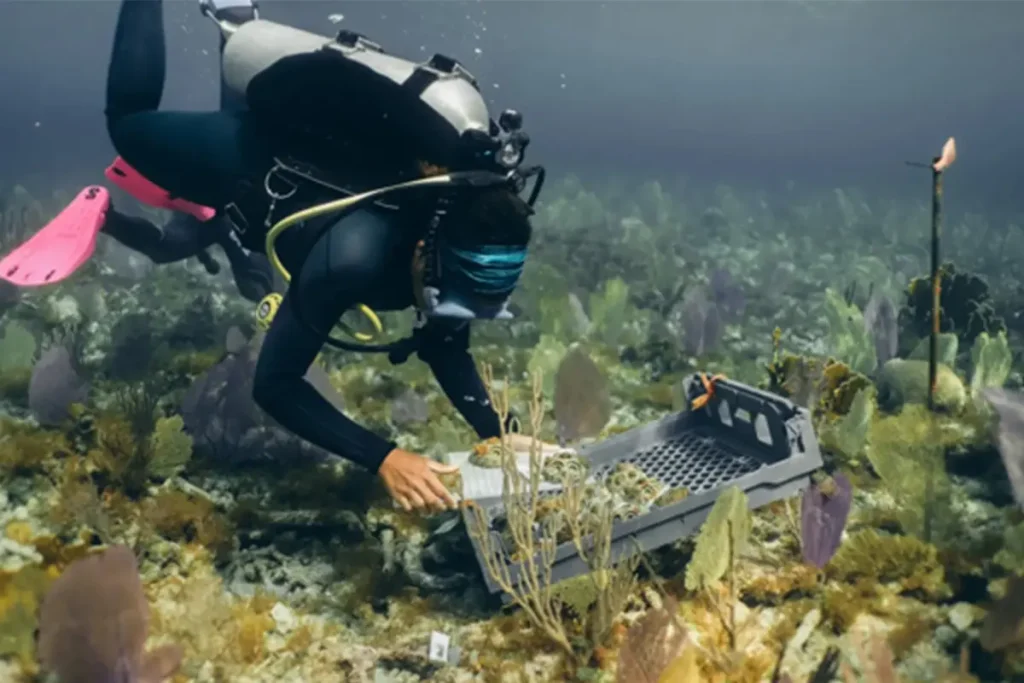
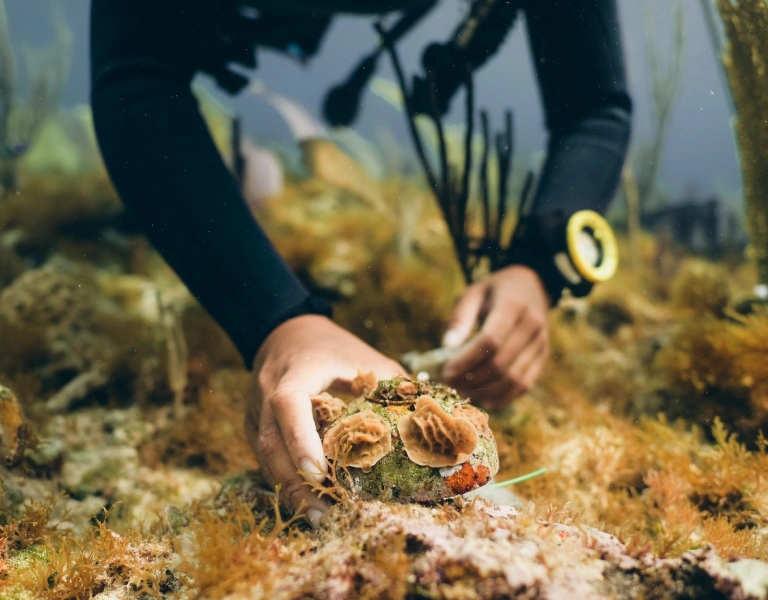
Coral Vita2 grows climate-resilient coral on land and outplants it to restore degraded reefs, in months instead of the decades it takes in nature. The company has grown more than 100,000 corals across 52 species, work recognized with Prince William’s Earthshot Prize in 2021 and a spot on TIME’s Best Inventions list for its BrainCoral3 platform.2,3 Its modular farms can also deploy to construction and dredging sites, layering restoration on top of required mitigation.
For CEOs, chief sustainability officers and CMOs backing nature positive projects, that combination of credentials and results is one of the more distinctive sustainability solutions available, whether the goal is brand association, biodiversity compliance, or employee engagement through coral adoption
2. Renewable Energy Powers the Broader Energy Transition

Renewable energy can come from local utilities or solar panels, and either route counts toward energy transition targets. Waste heat recovery captures emissions for reuse on the factory floor, and industrial symbiosis turns one company’s byproduct into another’s raw material. Among sustainability solutions, this pairing has one of the fastest paybacks.
3. Energy Efficiency Upgrades That Pay for Themselves
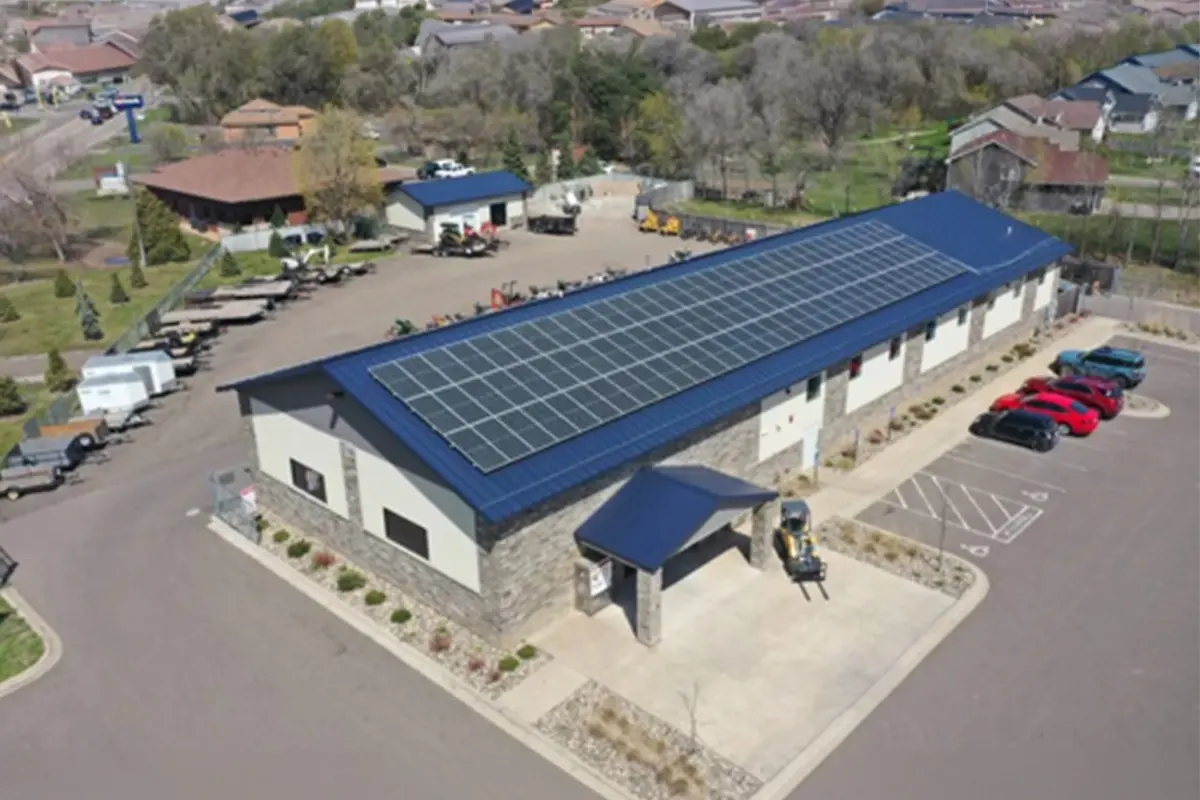
Energy efficiency is often the fastest win available. LED lighting cuts energy use on its own, and smart thermostats and efficient HVAC systems save energy without asking staff to change habits. An energy audit usually finds these sustainability solutions hiding in plain sight.
4. Waste Management and the Circular Economy Shift
Waste management is moving from disposal to design. Industries are shifting to circular economies, building products meant to be repaired, not replaced. Recycled raw materials support sustainable manufacturing, and digital tracking improves recycling rates. Local recycling and composting guidelines still matter, and these waste management sustainability solutions compound as more suppliers adopt them.
5. Innovative Solutions in Food and Transport

Innovative solutions are reshaping food and transport alike: precision agriculture and smart irrigation cut chemical runoff and water waste, while locally sourced, seasonal produce cuts transport emissions. Electric vehicles, hydrogen fuel cells for heavier loads, and public transit cut personal emissions at a scale no single company can match alone. These are sustainability solutions most supply chains can adopt without a full rebuild.
6. Sustainable Development Goals Give Businesses a Shared Scorecard
They give governments, institutions and businesses a common language for progress, from clean energy to life below water. A company does not need all seventeen at once. Most organizations get further by picking two or three that match their operations and building real commitments around them.
7. Sustainable Development Means Structural Change, Not Slogans

Sustainable development pairs daily habits with structural shifts. Water-efficient and energy-efficient appliances cut resource use at the individual level, while sustainable supply chains reduce packaging waste at the organizational level. Sustainable development also depends on skills, so training programs that build practical knowledge turn commitment into implementation, which is where most sustainability solutions actually succeed or stall.
8. Governance, ESG Frameworks and Responsible Business
Tailored ESG frameworks manage risk and give leaders structure for reporting environmental impact instead of guessing at it. They drive performance when built around a company’s actual operations, not a template borrowed from a competitor. Acting responsibly starts with treating environmental impact as everyone’s job, and it is usually what separates sustainability solutions that stick from ones that quietly disappear after year one.
9. Climate Action Starts Below the Waterline
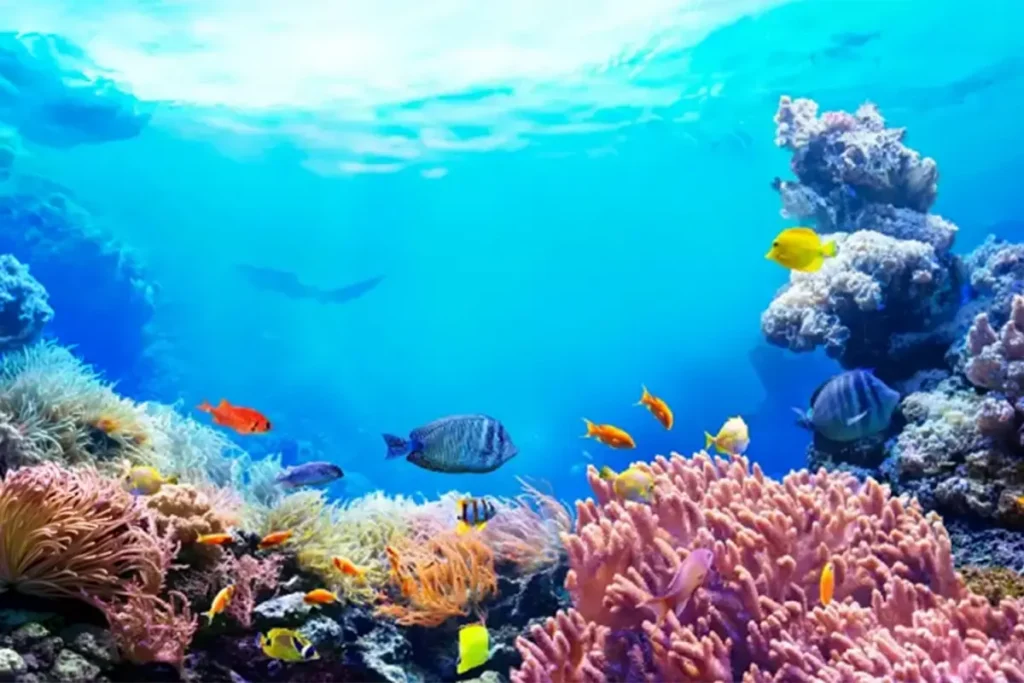
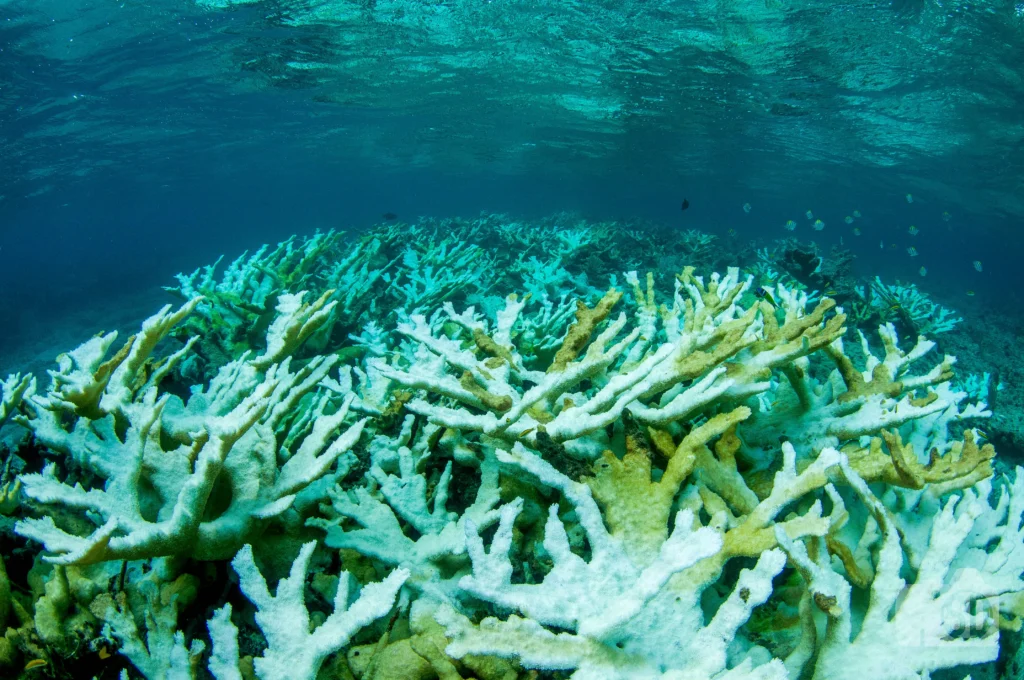
Climate action gets discussed mostly in terms of emissions. Reef loss belongs in that conversation too. The Global Coral Reef Monitoring Network and UNEP value the goods and services healthy reefs provide at roughly $2.7 trillion a year, and estimate reefs prevent close to $94 billion in coastal damage annually for the 100 million-plus people who live behind them.1 That is a resource most sustainability solutions lists skip.
About Coral Vita
Coral Vita is a mission-driven company dedicated to restoring our world’s dying and damaged reefs. Using innovative land-based farming techniques, Coral Vita grows diverse and resilient corals in months instead of the decades they take in nature. These corals are then transplanted into threatened reefs, helping to preserve ocean biodiversity while protecting coastal communities that depend on healthy reefs for protection, food, and income.
Founded by environmental entrepreneurs Sam Teicher and Gator Halpern, Coral Vita’s high-tech coral farms incorporate breakthrough methods to restore reefs in the most effective way possible. In 2021, the company was recognized as the inaugural winner of Prince’s William’s Revive Our Oceans Earthshot Prize Winner for their pioneering work in coral restoration.
To learn more about Coral Vita’s work or to get involved in coral reef conservation efforts, visit their website at www.coralvita.co or contact them directly through their Contact Us page.
Frequently Asked Questions
What are sustainability solutions?
Sustainability solutions are the practices, technologies and partnerships organizations use to cut environmental impact and meet sustainability goals, from renewable energy and waste management to coral reef restoration for coastal defense.
Why does coral reef restoration count as a sustainability solution?
Reefs protect coastlines, support fisheries and hold biodiversity value estimated at $2.7 trillion a year globally.1 Restoring them contributes directly to climate action and nature positive commitments.
How is Coral Vita different from other coastal sustainability solutions?
Coral Vita grows coral on land in months instead of decades, then outplants it to degraded reefs, an approach recognized by the Earthshot Prize and TIME.2,3 It also deploys modular farms to relocation sites.