When a coastline erodes, the default answer has been a concrete wall. But a wall is a fixed structure in a moving system, and it fails the same way it was built: rigidly. Living shorelines are the proven alternative, and reef restoration is the same idea built for a tropical coastline.
Key Takeaways
- A living shoreline is a protected, stabilized shoreline built from natural materials such as plants, sand, and rock, an alternative to bulkheads and rip rap.
- NOAA research shows living shorelines are more resilient to storms than bulkheads, and about a third of US shorelines could be hardened by 2100 without a shift.
- Coral reefs reduce wave energy by an average of 97 percent, using the same natural-structure mechanism a living shoreline relies on.
- Hybrid reef structures deployed off Miami Beach are extending the living shoreline concept into reef environments.
What a Living Shoreline Actually Is
NOAA defines a living shoreline as a protected and stabilized shoreline made from natural materials such as plants, sand, or rock.1 It is a green infrastructure technique that uses native vegetation, sometimes with low sills, to stabilize estuarine shorelines, bays, and tributaries. The goal is not to hold the line against the water. It is to work with the processes that shape it.
Marshes, oyster reefs, and submerged aquatic vegetation are the natural barriers NOAA names most often. One square mile of salt marsh stores the carbon equivalent of 76,000 gallons of gas annually. Fifteen feet of marsh can absorb 50 percent of incoming wave energy. Living shorelines improve water quality, provide fisheries habitat, increase biodiversity, and support recreation.
The contrast is with hard stabilization. Bulkheads and rip rap are static walls that reflect wave energy rather than absorb it. They prevent natural marsh migration and can create seaward erosion. A living shoreline does the opposite. It buffers wave energy, traps sediment, and gains elevation as sea level rises.
Natural Materials, Not Concrete
The difference between a living shoreline project and a hard armoring job is the material. A living shoreline uses plants, sand, rock, oyster shells, and coir fiber logs. These natural materials stabilize the shore while keeping the land-water interface intact. They also create wetland habitat and improve water quality as a byproduct of protecting the shoreline.
Hard structures do none of that. A seawall is a barrier, not a habitat. That is why erosion control built on natural materials is increasingly the preferred option for estuarine shorelines.
Shoreline Erosion, Sea Level Rise, and a Changing Climate
Shoreline erosion is getting worse as rising sea levels accelerate. A seawall has a fixed height. A living shoreline can adapt. Marshes trap sediment and grow in elevation as sea level rises, which is why living shoreline techniques are the default choice in more coastal jurisdictions.
Regulators have noticed. Virginia law now requires the state’s Marine Resources Commission to permit only living shoreline approaches to shoreline management unless the best available science shows they are not suitable, and to require living shoreline elements to the maximum extent possible even when a full living shoreline is not used.2 That is a US state making nature-based shoreline stabilization the default over hard armoring. It is not a claim about Coral Vita’s own markets, but it is a strong proof point that the science is settled.
The Benefits of Living Shorelines Over Hard Armoring
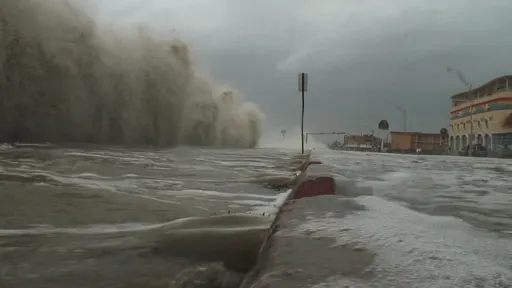
The benefits of living shorelines are not theoretical. NOAA research indicates they are more resilient than bulkheads in protecting against hurricanes. They also tend to cost less over the long term because a natural system self-maintains while a wall needs repairs and replacement.
The Reef Frontier: Hybrid Reefs as the Next Living Shoreline Project
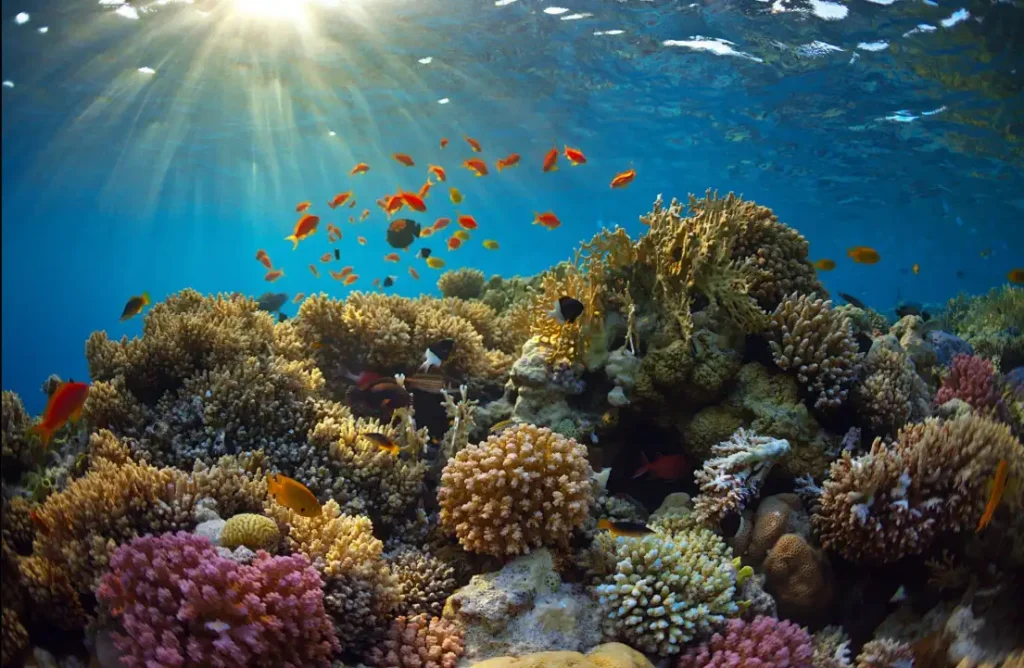
Coral reefs are not officially classified as a living shoreline. NOAA’s own definition names marshes and oyster reefs, not coral. But reefs protect a coastline through the exact same mechanism a living shoreline uses: natural structure that absorbs wave energy and grows over time instead of a fixed wall that erodes.
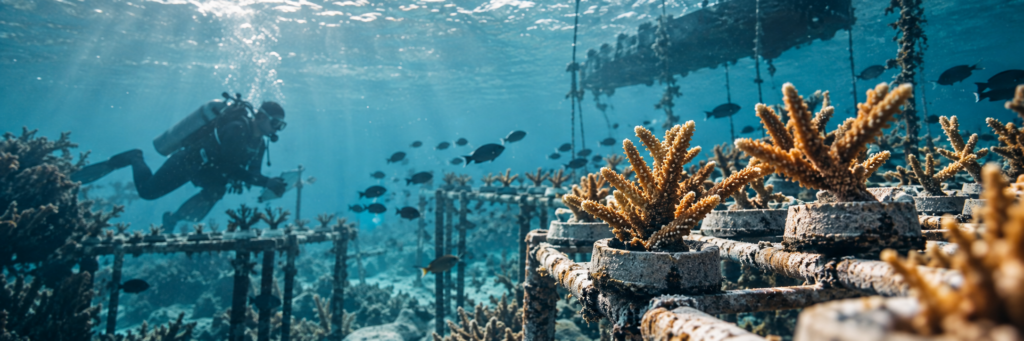
The engineering world is now building hybrid reef structures specifically to extend the living shoreline concept into reef environments. In March 2023, researchers at the University of Miami’s Rosenstiel School, working with the City of Miami Beach and funded in part by DARPA, deployed 27 interlocking concrete structures roughly 1,000 feet offshore of Miami Beach.3 The structures have engineered surfaces designed for stress-tolerant coral to attach and grow, explicitly built to recover the coastal protection services healthy reefs used to provide.
That is the signal to watch. A US defense research agency funding reef-based coastal defense means this is being treated as real infrastructure, not a conservation nice-to-have.
Why Wave Energy Is the Number That Matters
Living shorelines work because of wave attenuation. Coral reefs reduce wave energy by an average of 97 percent, per the peer-reviewed study in Nature Communications by Ferrario et al. (2014).4 The reef crest alone dissipates 86 percent of that energy. That is the primary study behind the figure cited across this space.
What does 97 percent mean in practical terms? For a waterfront property, it is the difference between a storm surge reaching the building and being broken offshore. For a public seawall budget, it is the difference between rebuilding a wall every few decades and maintaining a reef that grows and repairs itself. Reefs provide wave attenuation benefits comparable to artificial breakwaters, and reef defenses can be enhanced cost effectively.
Coastal Wetlands and Estuarine Shorelines: Where the Concept Started
The living shoreline movement grew out of the estuarine shorelines of the mid-Atlantic and Gulf coasts, where salt marshes and oyster reefs already provided natural protection. Coastal wetlands are the original natural infrastructure. They buffer storms, filter pollution, and store carbon. Restoring them is the core of most living shoreline projects.
What to Evaluate Before Choosing Nature-Based Coastal Protection
A living shoreline is not a universal drop-in replacement everywhere. Site conditions matter. High wave energy, steep escarpments, and narrow backyards all shape what will work.
Ask about wave exposure and fetch. A vegetated shoreline works in low energy settings. An offshore sill or hybrid reef structure handles more. Ask about timeline. A reef takes years to reach full wave attenuation, while a bulkhead is immediate. Ask about monitoring. The North Carolina Coastal Federation tracks living shoreline projects and has worked with contractors to install over 8,835 feet of living shorelines on more than 55 projects in 2023 alone.5 In the same year, the Federation partnered with the Town of Surf City to install a 215-foot living shoreline built from interlocking oyster frames, creating tidal reef structure and improving water quality.6
Cost also varies by site. Bagged oyster shell living shorelines in North Carolina run about $75 per foot, granite rock around $350 per foot, while bulkheads typically range from $200 to $450 per foot.7 The point is not that a living shoreline is always cheaper upfront. It is that the long-term cost of a wall includes repeated repairs a natural system does not need.
How Coral Vita’s Restoration Model Fits a Waterfront Property or Municipality
For a hotel, resort, or coastal municipality, reef restoration is a place-based investment. A restored reef protects the coastline the property depends on, supports the fish and wildlife that drive tourism, and improves water quality. It is not compliance work for damage caused elsewhere. It is direct protection of the asset in front of the property.
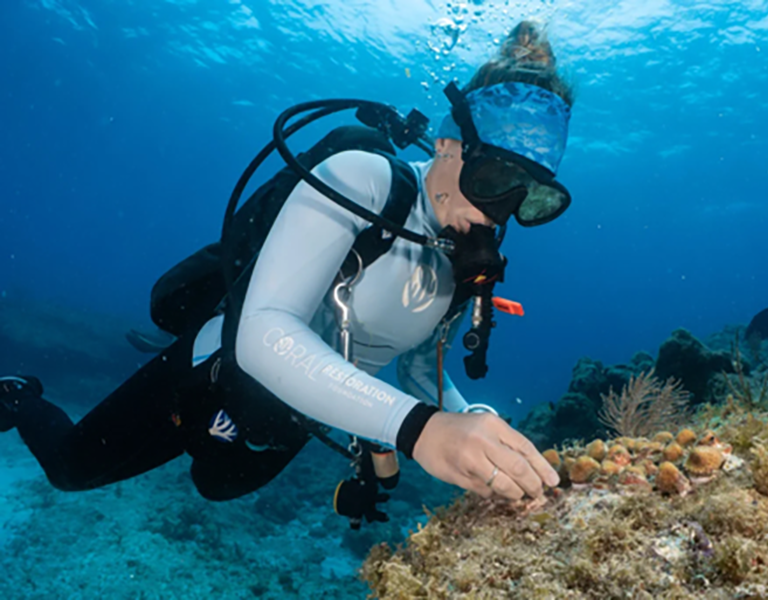
Coral Vita is a coral restoration company building the tropical and subtropical answer to a proven temperate-zone idea. Land-based farming grows diverse and resilient corals in months instead of the decades they take in nature. Those corals are outplanted onto degraded reefs, restoring the structure that protects coastal communities and reduces shoreline erosion. With more than 100,000 corals grown across 52 species and recognition as a Prince William’s Earthshot Prize winner in 2021, the approach is built for scale. Learn more about why coral reefs are so important and how reef restoration supports coastal climate resilience.
Restore America’s Estuaries, One Shoreline at a Time
The organizations driving this work are worth knowing. Restore America’s Estuaries and the North Carolina Coastal Federation are among the groups proving that nature-based coastal protection works at scale. They publish data, share project lessons, and help property owners find cost-share funding. The North Carolina Coastal Federation received $1.53 million from the state Land and Water Fund in 2023 to support its living shoreline cost-share program and large-scale wetland restoration.
More Resources
- Marine protected areas and how they support reef recovery
- Coastal adaptation strategies for rising seas
- The economic impact of coral reef loss
Conclusion
Living shorelines are the proof that a coastline can be protected with natural materials instead of concrete. They stabilize shoreline erosion, adapt to rising sea levels, and create habitat for fish and wildlife. Coral reefs are not officially a living shoreline, but they are the same idea in a tropical environment, and the engineering world is already building hybrid reefs to prove it. For any waterfront owner facing shoreline erosion, the question is no longer whether nature-based protection works. It is whether their coast gets one.
About Coral Vita
Coral Vita is a mission-driven company dedicated to restoring our world’s dying and damaged reefs. Using land-based farming techniques, Coral Vita grows diverse and resilient corals in months instead of the decades reefs take in the wild. These corals are then transplanted into threatened reefs, helping to preserve ocean biodiversity while protecting coastal communities that depend on healthy reefs for protection, food, and income.
Founded by environmental entrepreneurs Sam Teicher and Gator Halpern, Coral Vita’s high-tech coral farms incorporate breakthrough methods to restore reefs in the most effective way possible. In 2021, the company was recognized as the inaugural winner of Prince William’s Revive Our Oceans Earthshot Prize Winner for their pioneering work in coral restoration.
To learn more about Coral Vita’s work or to get involved in coral reef conservation efforts, visit their website at www.coralvita.co or contact them directly through their Contact Us page.
FAQ
What is a living shoreline?
A living shoreline is a protected, stabilized shoreline built from natural materials such as plants, sand, or rock. It is an alternative to hard structures like bulkheads and rip rap.
Are coral reefs a type of living shoreline?
Not officially. NOAA’s definition names marshes and oyster reefs, not coral. But reefs protect coastlines the same way, absorbing wave energy and growing over time.
Do living shorelines work better than seawalls?
Research indicates living shorelines are more resilient to storms than bulkheads. They also adapt to sea level rise and self-maintain, while walls need repeated repairs.
Is a living shoreline legally required?
Virginia law requires living shoreline approaches unless best available science shows they are unsuitable. Elsewhere it is not mandatory, but it is becoming the preferred approach.
References
- https://oceanservice.noaa.gov/facts/living-shoreline.html ↩︎
- https://law.lis.virginia.gov/vacode/title28.2/chapter1/section28.2-104.1/ ↩︎
- https://news.miami.edu/stories/2023/03/unique-hybrid-reefs-deployed-off-miami-beach.html ↩︎
- https://www.nature.com/articles/ncomms4794 ↩︎
- https://coastalreview.org/2023/10/grant-to-support-living-shoreline-wetland-restoration-work/ ↩︎
- https://www.nccoast.org/2023/01/surf-city/ ↩︎
- https://coastalreview.org/2019/12/affordability-key-in-pricing-living-shorelines/ ↩︎