A nature-based solution is not a marketing phrase. It is a defined category of action, and regulators, development banks, and insurers now check funding decisions against it. The International Union for Conservation of Nature adopted the working definition in 2016: actions to protect, sustainably manage, and restore natural or modified ecosystems, addressing societal challenges effectively and adaptively, while providing human wellbeing and biodiversity benefits.1 Keep that sentence on hand for your next board meeting.
Key Takeaways
- Nature-based solutions are a defined IUCN category, not a marketing term, and regulators check against that definition.
- Natural climate solutions can deliver about a third of the climate mitigation needed globally, up to 37 percent of it by 2030.
- Mangroves save an estimated USD 57 billion a year in flood damage across five major coastal nations.
- IFC Performance Standard 6 is the least contested, most consequential compliance framework in this category right now.
- Coral reefs generate an estimated USD 2.7 trillion a year through fisheries, tourism, and coastal protection.
- Coral Vita grows coral on land in months instead of decades, for compliance-driven mitigation and sponsorship-driven restoration alike.
Nature-Based Solutions (NBS): A Working Definition Worth Learning
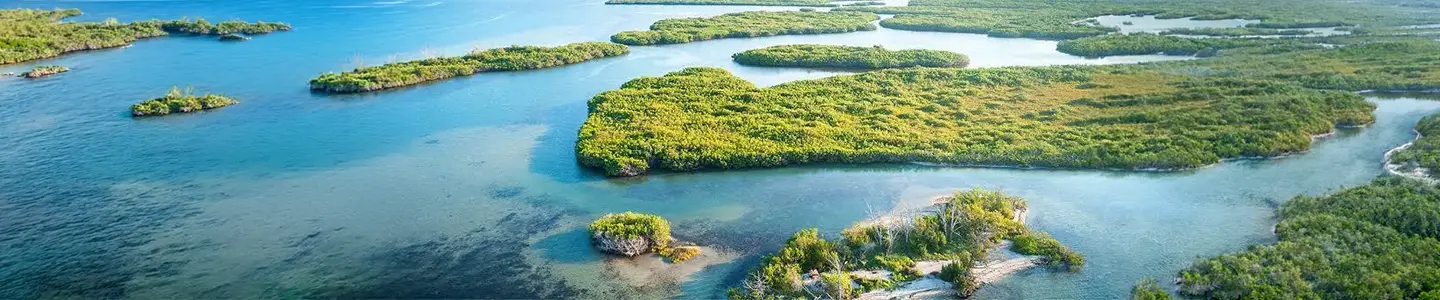
Mangrove replanting, wetland restoration, forest management, and coral reef rebuilding all qualify as nature-based solutions. What connects them is using natural processes to solve a problem that would otherwise require built infrastructure, without trading away biodiversity to do it. The Intergovernmental Panel on Climate Change and the IUCN both treat nature-based solutions as a distinct policy category now, separate from general conservation and carbon offsetting, which is why the term shows up in permitting documents, not only sponsorship decks.
Search for a coral relocation contractor or a reef restoration contractor and the results are thin. Search for the framework forcing the purchase, biodiversity net gain, nature positive, nature-based solutions, and the demand is real. Buyers research the obligation first, then find who can meet it.
The Societal Challenges Driving Demand for Living Infrastructure
Coastal flooding, storm surge, and water security are societal challenges concrete alone has never solved well, and building more of it is getting harder to justify. A seawall does one job and degrades over decades.
A restored reef or mangrove belt absorbs wave energy, supports fisheries, and gains value over the same span, which is why reinsurers now write nature-based solutions into the same risk models they use for hard infrastructure. Sustainable management of the coastline, not extraction and not pure preservation, is the operating model behind that shift.
The Sustainable Development Goals for climate action, life below water, and life on land all name nature-based solutions or their outcomes directly, giving finance and sustainability teams one shared framework instead of two competing for the same budget line.
Climate Change Is Rewriting the Math on Coastal Risk
Climate change has moved from a future line item to a present one for any company with coastal assets, ports, or supply chains touching the ocean. Sea level rise and stronger storms are compounding as reef cover declines, thinning the natural buffer that once absorbed storm energy for free.
The Paris Agreement formally recognizes ecosystems and natural sinks as part of the global response to climate change, giving governments a treaty basis to fund restoration alongside emissions cuts.2 That recognition is part of why climate change adaptation and disaster risk reduction now appear in budgets that used to be all concrete and steel.
Climate Change Mitigation: What Ecosystems Are Already Doing
Climate change mitigation gets framed as a technology problem, but nature already does close to a third of the job. Research presented at the 2019 UN Climate Action Summit found that natural climate solutions could deliver about one third of the climate mitigation needed to meet global targets, at a fraction of the cost of engineered carbon removal.3
A peer-reviewed analysis in the Proceedings of the National Academy of Sciences found natural climate solutions, forest health through coastal ecosystem restoration, could provide 37 percent of the cost-effective climate mitigation needed by 2030.4
Forests store carbon and regulate the water cycle. Coastal ecosystems store carbon in soil and sediment for centuries undisturbed, longer than most engineered storage offers. Climate mitigation reported this way is the same restoration project, described for two audiences.
Climate Change Adaptation and Disaster Risk Reduction on the Coast
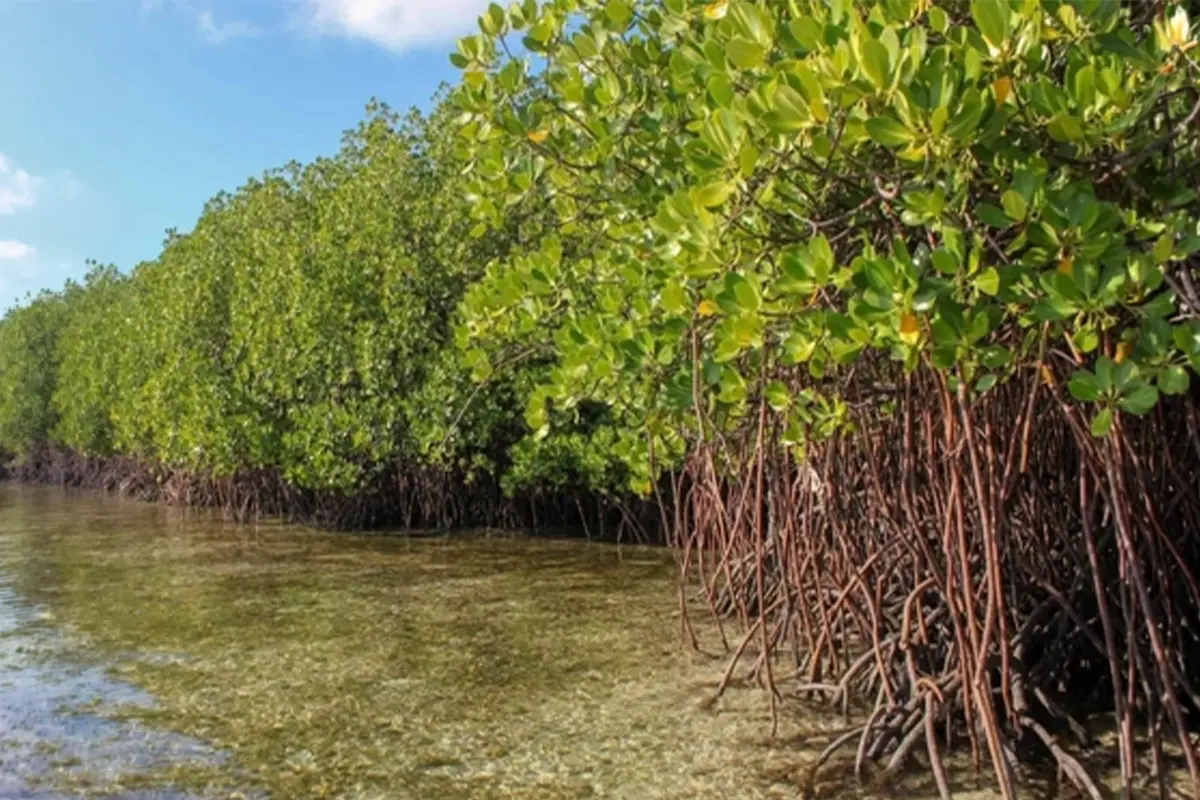
Mangroves make the economic case concrete. A World Bank analysis of a global mangrove assessment found mangroves in Vietnam, India, China, the United States, and Mexico alone save an estimated USD 57 billion in flood damages to property every year.5 Reefs do a version of the same job for wave energy, breaking swell before it reaches shore and reducing the load on any built defense behind them.
That is the case for pairing climate resilience planning with restoration instead of separate budget lines. Healthy ecosystems absorb storm energy a built defense alone has to carry, and disaster risk reduction plans that ignore them are solving half the problem.
Climate Action Frameworks Are Starting to Require This
Climate action used to mean an emissions target and a sustainability report. Increasingly it means a compliance file. The mitigation hierarchy, biodiversity net gain, no net loss requirements, and the International Finance Corporation’s Performance Standard 6 on biodiversity conservation and sustainable management of living natural resources are now the checklist maritime construction, dredging, and port development projects have to clear before financing closes.6
Performance Standard 6 is the standard nearly every development-bank-financed coastal project must satisfy, and it remains one of the least contested search terms in the category, a sign of how few companies have built real authority on it. A contractor under European law answers to a different rulebook than one under Maldivian law, but both now answer to something specific.
The Multiple Benefits That Make Nature-Based Solutions Different From Offsets
Multiple benefits are what separate nature-based solutions from a standard carbon offset. A well-designed project simultaneously provides environmental protection, economic return, and community benefit rather than isolating carbon as the only metric. A 2022 peer-reviewed evidence review found that 66 percent of nature-based solutions cases assessed for climate adaptation reported positive ecological outcomes, evidence the approach performs when designed with real ecology rather than treated as a checkbox.7
Reef and mangrove restoration benefit biodiversity and coastal communities in one project: better fish stocks, cleaner water, tourism revenue, and storm protection, ecosystem services a single-purpose seawall was never built to provide.
Sustainable Development Goals Nature-Based Solutions Actually Move
Sustainable development goals give companies a shared vocabulary for reporting restoration to a board that may not otherwise track ecological detail. Life below water, climate action, and sustainable cities and communities are the three goals reef and coastal restoration touch most directly. Restore natural habitat once, and the reporting reaches climate, biodiversity, and community line items together. Locally adapted restoration, built with the indigenous peoples and coastal communities who notice a fishery decline first, holds up longer than an imported design.
The Socioeconomic Case Finance Teams Actually Care About
The socioeconomic case is where sponsorship decisions get made, and it rests on numbers a finance team can defend. Coral reefs are estimated to generate USD 2.7 trillion a year in global economic value through fisheries, tourism, and coastal protection combined.8 That is the scale of asset reef loss puts at risk, and why conservation finance instruments, blue bonds, debt-for-nature swaps, and biodiversity credits, have moved from pilot programs to standard line items at development banks.
Economic benefits are not limited to the reef itself. Raw materials, medicinal products, and food security trace back to healthy ecosystems that keep producing ecosystem services only while intact, a return profile few built assets match.
How the European Union Is Setting the Compliance Bar
The European Union has supported a dedicated nature-based solutions research platform since 2016, funding EU research into implementation, case studies, and governance models other regions now adopt.9 Any contractor working inside the European Union, or bidding on projects financed by European capital, must demonstrate net positive biodiversity outcomes under the EU Nature Restoration Law, not simply avoid net harm.
That standard travels. A dredging company operating outside Europe still answers to EU requirements at the parent-company level when European capital is involved, which is why nature-based solutions expertise is a resource-efficient way to satisfy more than one jurisdiction with one restoration program.
Coral Reefs Are the Coastal Defense Nature-Based Solution Boardrooms Overlook
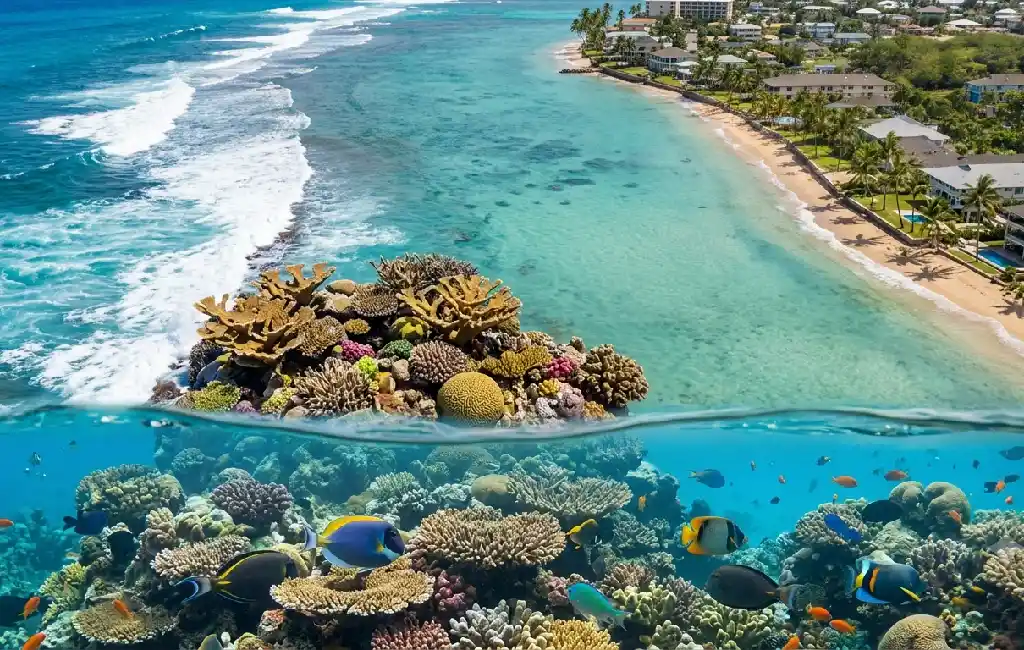
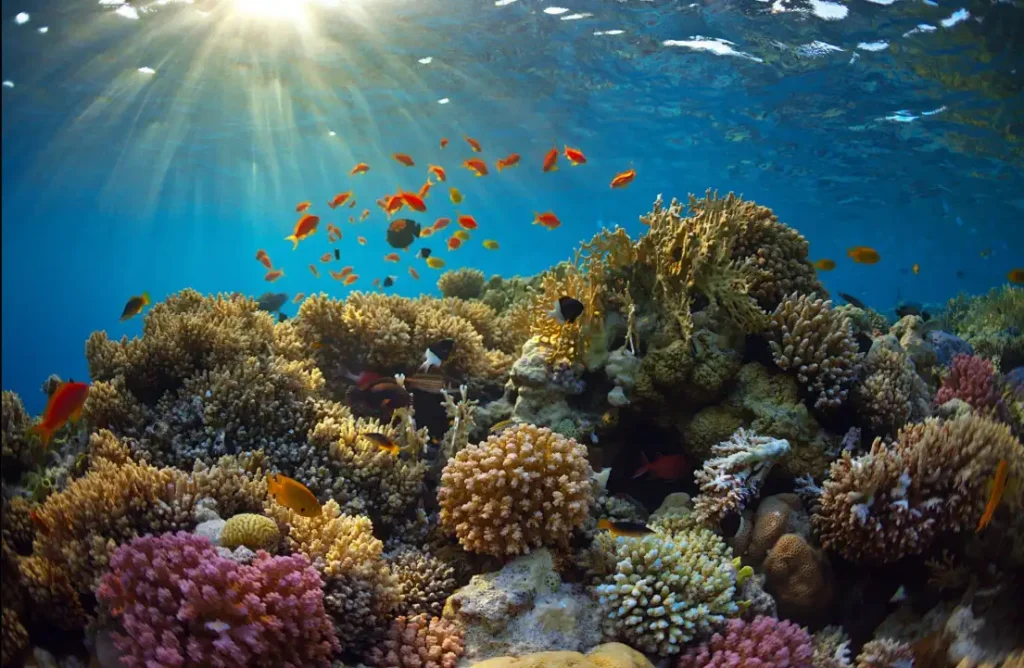
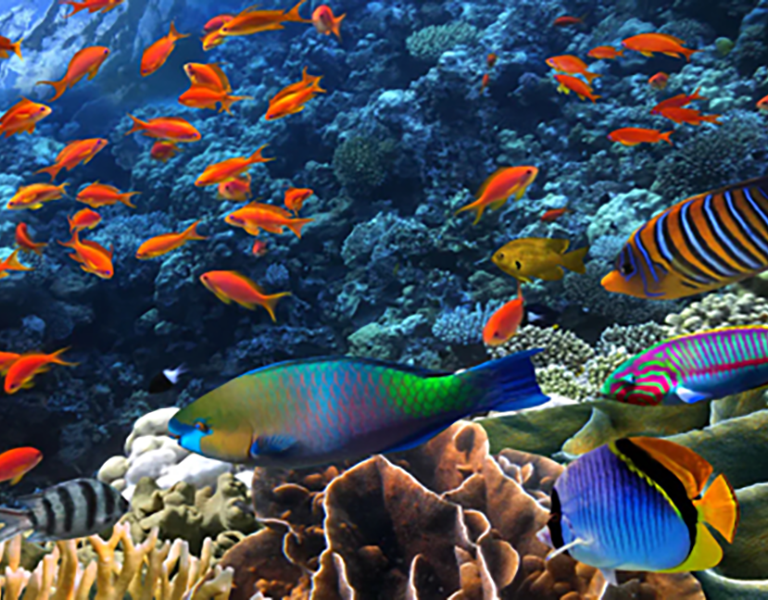
Reefs are the coastal defense infrastructure most sustainability strategies leave out of the plan. They protect coastlines, support the fisheries and tourism economies built around them, and hold some of the densest concentrations of marine biodiversity on the planet, all from a structure that grows and repairs itself once healthy again. Why coral reefs matter is not abstract for a hotel operator, a port authority, or a government weighing a concrete breakwater against a living one.
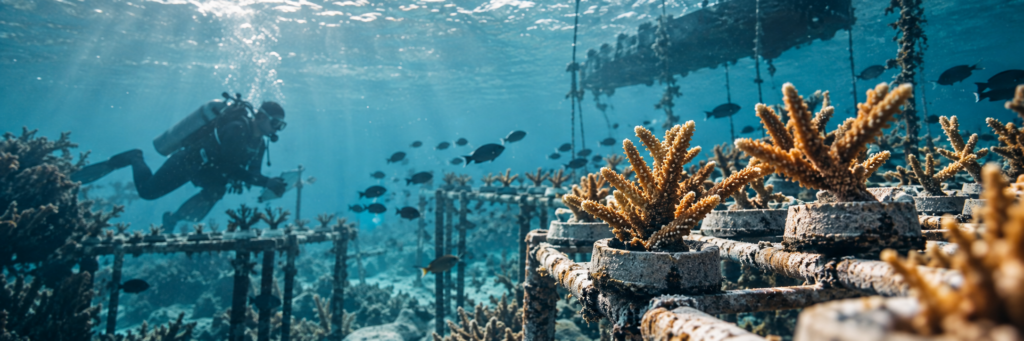
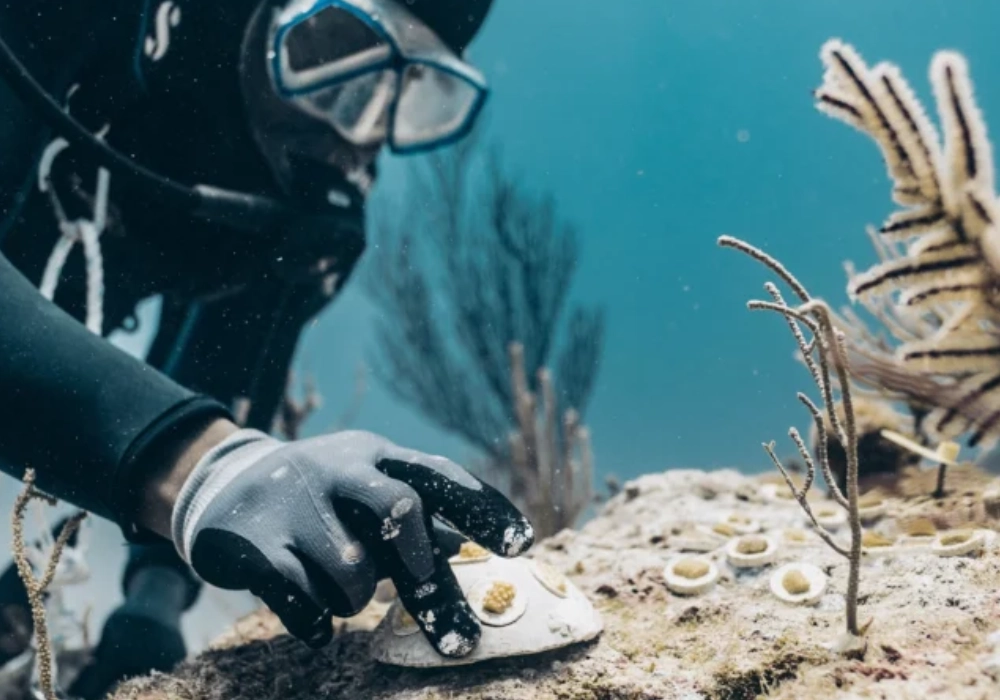
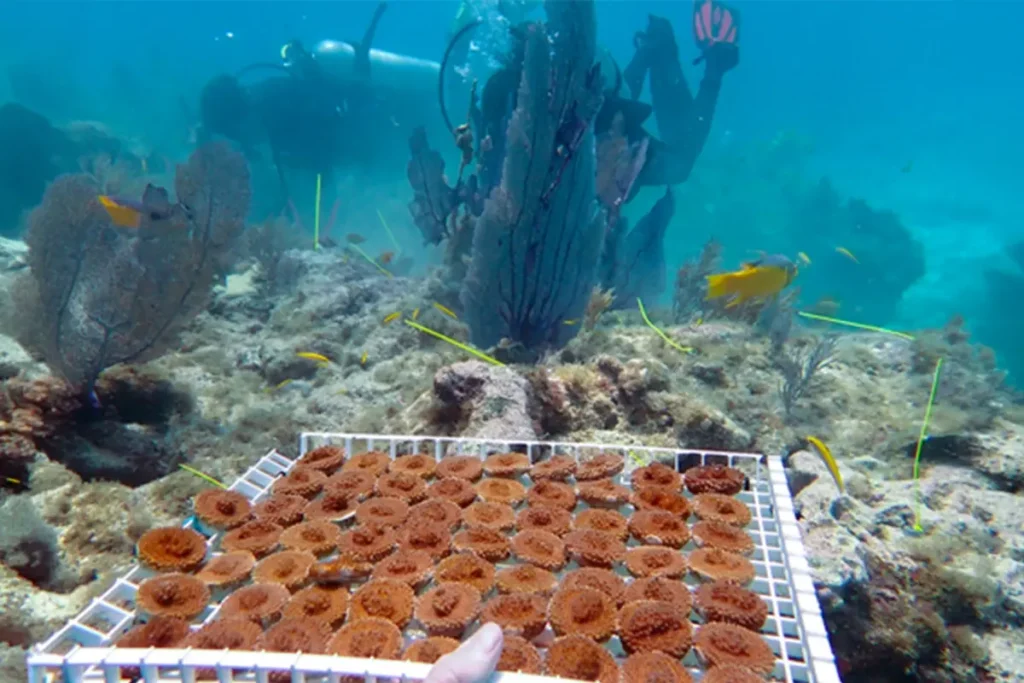
Land-based coral farming solves the timeline problem that has kept reef restoration out of infrastructure planning. Coral Vita grows climate-resilient coral in land-based farms and outplants it to degraded reefs in months instead of the decades reef recovery takes in nature, without touching the donor reef the way ocean-based nurseries do.
Coral Vita: Restoration as a Service for Compliance, Sponsorship, and Coastal Defense
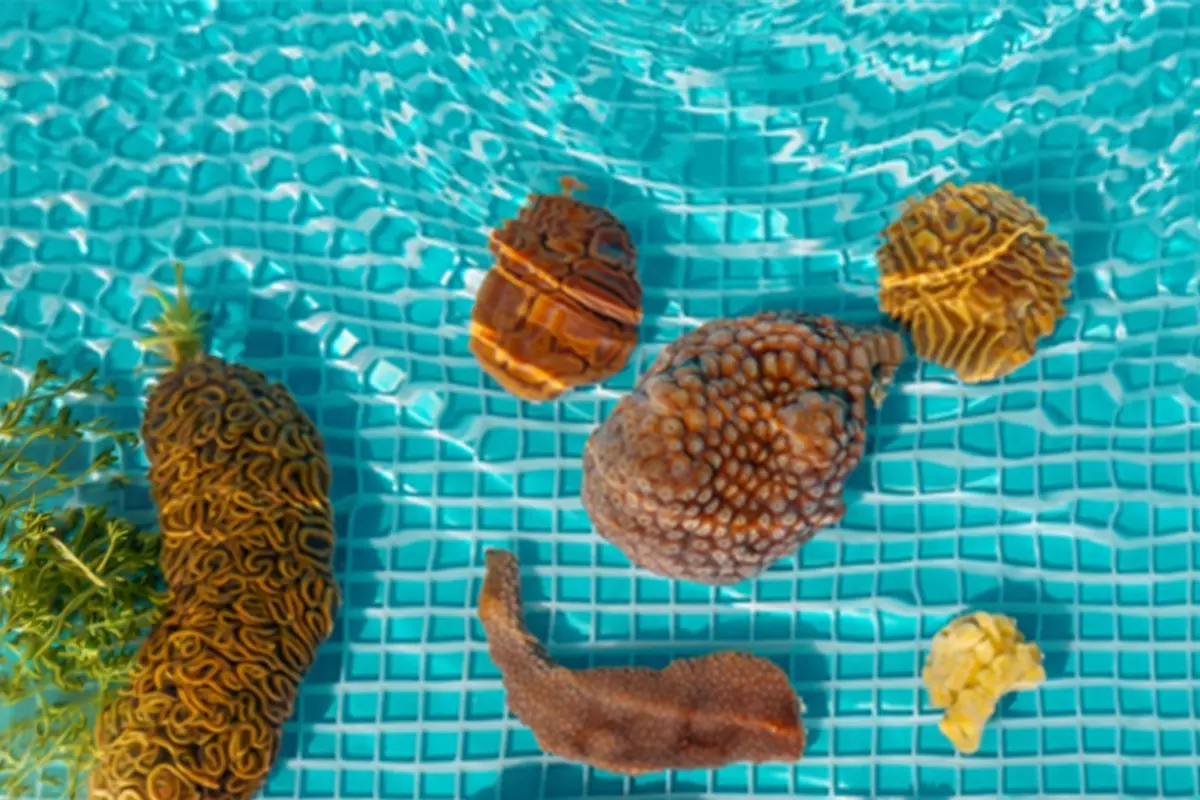
Coral Vita has grown more than 100,000 corals across 52 species using this land-based model, work recognized with Prince William’s Earthshot Prize in 2021 and a TIME Magazine Best Inventions honor for the BrainCoral platform. Farms are active in The Bahamas, Saudi Arabia, and the United Arab Emirates, with the Maldives as a current target market given the scale of coastal tourism and shipping infrastructure at risk there.
Two buyer paths lead to the same farm. Place-based buyers, hotels, governments, tourism operators, restore reefs because their coastline and revenue depend on them directly. Compliance-driven buyers, maritime contractors, dredgers, port developers, restore reefs because a permit or financing agreement requires net positive biodiversity outcomes before a project proceeds.
Coral Vita’s restoration as a service model deploys modular farms to the relocation site itself, so mitigation and reef restoration happen in one footprint. On the sponsorship side, the same corporate funding model gives sustainability officers, CMOs, and HR leads a program that supports marketing, meets biodiversity commitments, and gives employees a farm visit worth talking about.
How to Bring Nature-Based Solutions Into Your Company’s Strategy
Start with the obligation, not the vendor search. If a project sits inside the European Union, under IFC Performance Standard 6, or inside a development bank’s financing terms, that framework already tells you what a nature-based solution has to accomplish before a purchase order gets written. Implementing NBS well means picking a partner who can show real case studies, name the ecosystems restored, and report against sustainable development goals your finance team already tracks. A partner already operating in your region closes that gap faster than starting from zero.
About Coral Vita
Coral Vita is a mission-driven company dedicated to restoring our world’s dying and damaged reefs. Using land-based farming techniques, Coral Vita grows diverse and resilient corals in months instead of the decades reefs take in the wild. These corals are then transplanted into threatened reefs, helping to preserve ocean biodiversity while protecting coastal communities that depend on healthy reefs for protection, food, and income.
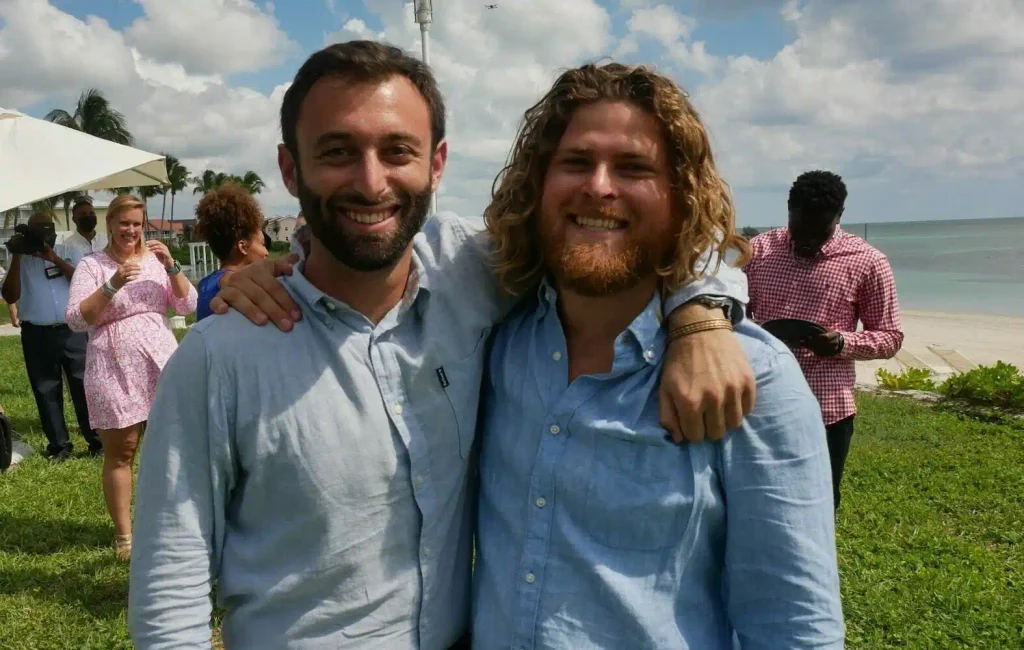
Founded by environmental entrepreneurs Sam Teicher and Gator Halpern, Coral Vita’s high-tech coral farms incorporate breakthrough methods to restore reefs in the most effective way possible. In 2021, the company was recognized as the inaugural winner of Prince William’s Revive Our Oceans Earthshot Prize Winner for their pioneering work in coral restoration.
To learn more about Coral Vita’s work or to get involved in coral reef conservation efforts, visit their website at www.coralvita.co or contact them directly through their Contact Us page.
Frequently Asked Questions
What is a nature-based solution?
An action that protects, sustainably manages, or restores natural or modified ecosystems to address a societal challenge, such as coastal flooding, while providing human wellbeing and biodiversity benefits, per the IUCN’s 2016 global standard.
Are nature-based solutions the same as carbon offsets?
No. Offsets isolate carbon as the only metric. Nature-based solutions simultaneously provide environmental, economic, and community benefits, and are assessed on ecological outcomes, not carbon volume alone.
Why do coral reefs count as coastal defense infrastructure?
Reefs absorb wave energy before it reaches shore, reducing load on built defenses, while supporting fisheries and tourism economies worth an estimated USD 2.7 trillion a year globally.
What compliance frameworks require nature-based solutions?
IFC Performance Standard 6, the EU Nature Restoration Law, biodiversity net gain rules, and the mitigation hierarchy all require developers and financiers to demonstrate net positive biodiversity outcomes.
References
- https://inbs.iucn.org/understand/nbs-definition/ ↩︎
- https://unfccc.int/process-and-meetings/the-paris-agreement ↩︎
- https://press.un.org/en/2019/gaef3520.doc.htm ↩︎
- https://www.pnas.org/doi/full/10.1073/pnas.1710465114 ↩︎
- https://blogs.worldbank.org/en/voices/miracle-mangroves-coastal-protection-numbers ↩︎
- https://www.ifc.org/en/insights-reports/2012/ifc-performance-standard-6 ↩︎
- https://www.frontiersin.org/journals/environmental-science/articles/10.3389/fenvs.2022.905767/full ↩︎
- https://www.unep.org/topics/ocean-seas-and-coasts/blue-ecosystems/coral-reefs ↩︎
- https://research-and-innovation.ec.europa.eu/research-area/environment/nature-based-solutions_en ↩︎